


Advantages of Choosing a Small School - Small School Benefits Singapore
Choosing the right school for your child is a big decision. When looking for international primary education in Singapore, many families consider the size of the school. Small schools offer unique advantages that can make a significant difference in your child’s learning experience. In this post, I will share why I believe small schools provide a better environment for young learners, especially for expatriate families seeking affordable and quality education.
Why Small Schools Matter - Small School Benefits Singapore
Small schools create a close-knit community where every student is known by name. This personal attention helps children feel safe and supported. In larger schools, students can sometimes feel lost in the crowd. But in a small school, teachers can focus on each child’s strengths and challenges.
For example, in a small classroom, a teacher can quickly notice if a student struggles with reading or math. They can then provide extra help or tailor lessons to fit that student’s needs. This personalized approach often leads to better academic outcomes.
Small schools also encourage more participation. Students have more chances to speak up, join activities, and build confidence. This is especially important for children who are new to Singapore and may need extra support to adjust socially and academically.
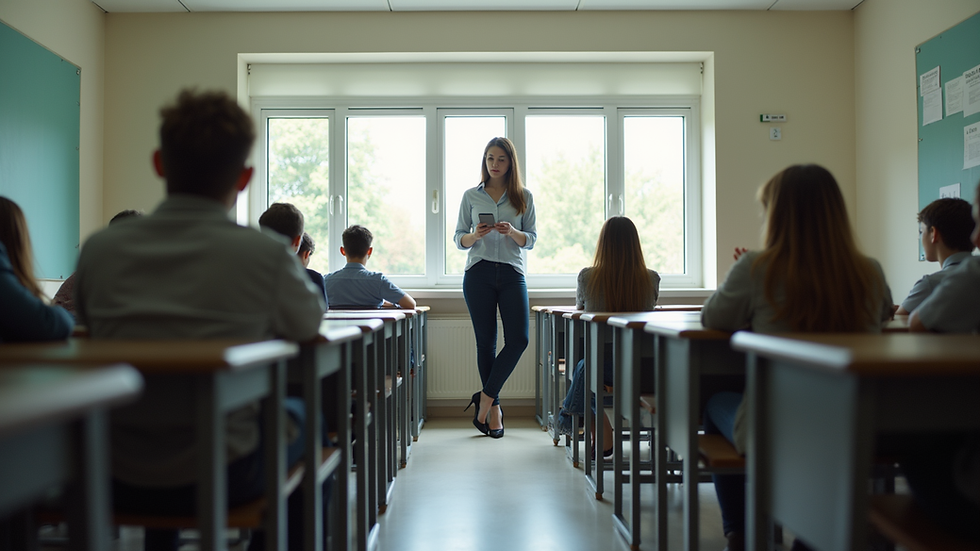
What is the best local school in Singapore?
When searching for the best local school in Singapore, many parents look for a balance between quality education and a nurturing environment. Small schools often excel in this area because they can offer a more tailored learning experience.
Local schools with smaller class sizes tend to have better teacher-student ratios. This means teachers can spend more time with each child, helping them reach their full potential. Additionally, small schools often have strong community ties, which can help expatriate families feel more connected.
If you want your child to benefit from a supportive environment and quality education, consider schools that prioritize small class sizes and personalized learning. This approach can make a big difference in your child’s academic journey and social development.
Personalized Learning and Individual Attention
One of the biggest advantages of small schools is the ability to provide personalized learning. In a small school, teachers know each student well. They understand their learning styles, interests, and areas where they need improvement.
This knowledge allows teachers to design lessons that engage students and challenge them appropriately. For example, if a child excels in science but struggles with writing, the teacher can offer extra writing support while encouraging science projects.
Personalized learning also means students can progress at their own pace. They are not forced to keep up with a large group or wait for others to catch up. This flexibility helps reduce stress and builds a love for learning.
Parents also benefit from this approach. They receive regular updates on their child’s progress and can work closely with teachers to support learning at home.
Building Strong Relationships and Community
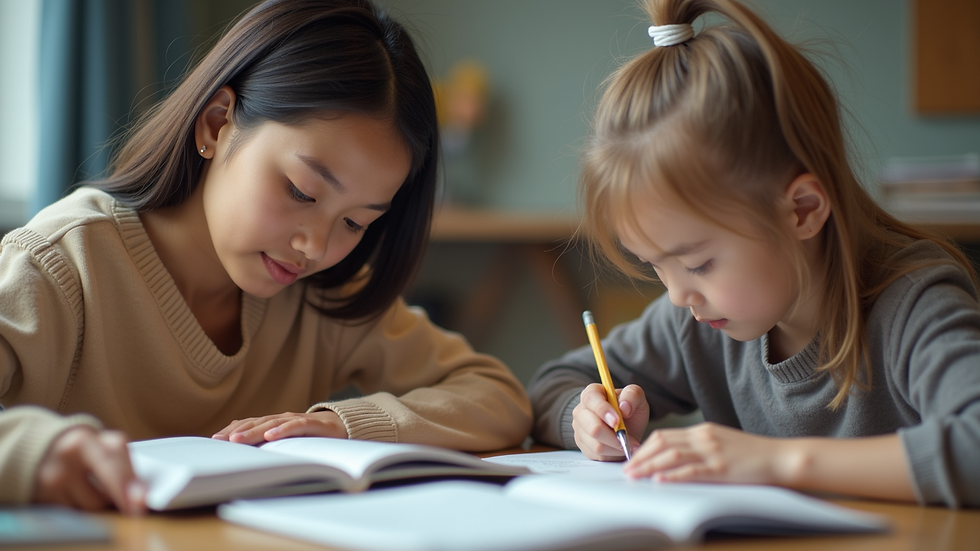
Small schools foster strong relationships among students, teachers, and parents. Because the community is smaller, everyone gets to know each other well. This creates a warm and welcoming atmosphere where children feel valued.
Strong relationships help children develop social skills and emotional intelligence. They learn how to communicate, collaborate, and resolve conflicts in a supportive setting. This is especially important for expatriate children who may be adjusting to a new culture and environment.
Parents also appreciate the sense of community. They can easily connect with teachers and other families, creating a support network. This involvement helps parents stay informed and engaged in their child’s education.
Affordability and Quality Education
Many expatriate families worry about the cost of international education in Singapore. Small schools often provide a more affordable option without compromising quality. Because they have fewer students, they can focus resources on effective teaching and learning materials.
Choosing a small school can mean lower fees and fewer hidden costs. At the same time, your child receives a high standard of education with access to qualified teachers and a well-rounded curriculum.
If you want to find the best small school singapore, look for one that balances affordability with a strong commitment to personalized learning and community values. This combination ensures your child gets the best start in their educational journey.
Encouraging Holistic Development
Small schools often emphasize holistic development. This means they focus not only on academics but also on character building, creativity, and physical health.
With smaller groups, schools can offer a variety of extracurricular activities that suit different interests. Students can participate in sports, arts, music, and leadership programs. These activities help children discover their passions and develop new skills.
Teachers in small schools also have more time to mentor students. They guide them in setting goals, managing time, and building confidence. This support helps children grow into well-rounded individuals ready to face future challenges.
Making the Right Choice for Your Child
Choosing a small school can be a smart decision for families seeking a supportive and effective learning environment. The benefits of personalized attention, strong community, affordability, and holistic development make small schools stand out.
When visiting schools, ask about class sizes, teacher qualifications, and how they support individual learning. Look for a school that values each child’s unique needs and encourages active participation.
Remember, the right school can shape your child’s future. A small school offers a nurturing space where your child can thrive academically and socially.
Creating a Supportive Learning Environment
Small schools create a safe and supportive environment where children feel comfortable expressing themselves. This is crucial for young learners who are still building confidence.
Teachers in small schools often know their students’ families and backgrounds. This understanding helps them provide emotional support and address any challenges early on.
A supportive environment also encourages curiosity and creativity. Children are more willing to take risks and try new things when they feel secure. This mindset fosters lifelong learning and resilience.
Choosing a small school in Singapore offers many advantages for your child’s education and well-being. From personalized learning to a strong community feel, small schools provide a unique and valuable experience. If you want your child to benefit from these advantages, consider exploring small school options carefully. Your child’s future deserves the best foundation possible.
Comments