


Shorten 6–24 Month Intl School Waitlists in Singapore: MOE Dates & Backup

Most families waiting for a spot at a popular Singapore international school can shorten the wait, but rarely skip it entirely. The single best move is applying early, registering at more than one school in parallel, and keeping your child’s documents current so you’re first to hear when a seat opens. The full checklist, timeline, and backup plan follow below.
TL;DR:
Applying early, registering at multiple schools simultaneously, and maintaining updated documents can significantly reduce wait times, especially at mid-tier and newer schools.
Most schools operate on rolling admissions with vacancies typically opening during the start of the year, mid-year, or due to sudden family relocations, making continuous visibility crucial.
Securing a guaranteed spot often involves paying refundable deposits or early fees, but families should get written confirmation and understand the conditions beforehand.
Waiting times vary from a few months at mid-fee schools to two years or more at top-tier campuses, so having backup plans like mid-year intakes or cross-system applications is essential.
Astor offers flexible, mid-year admissions with small classes, rapid placement, and transparent fee structures, making it a practical alternative for families needing immediate options.
Table of Contents
How International School Waitlists Actually Work in Singapore
Most international schools in Singapore don’t run one big annual sign up window the way government schools do. They operate on rolling admissions, reviewing applications continuously throughout the year and offering places as vacancies appear rather than waiting for a single enrollment day. That means “waitlist” often describes an active, moving queue, not a frozen list you sit on until next August.
Vacancies tend to open at three predictable moments: the start of a new academic year, mid-year withdrawals around January when expat families relocate, and sudden departures tied to job transfers. Rolling admissions mean schools accept applications year round and slot children in as soon as space allows, which is good news if you stay visible and ready.
Placement order isn’t random. Schools generally weigh:
Application completeness and how early it was submitted
Sibling status (a brother or sister already enrolled)
Availability in the exact year group requested
Whether the child’s academic and language profile fits the school’s support capacity
Responsiveness when the school requests updated information
Wait times vary sharply by tier. Top-tier campuses commonly carry waitlists of 6 to 24 months depending on the year group, while mid-fee and newer schools often place children within a term or two. Kindergarten and lower primary places move faster than the popular Year 6 to Year 8 band, where demand from relocating families is highest.
Pro Tip: Ask each school directly how it defines its waitlist. Some rank strictly by application date; others reassess the order every time a new application arrives, which means staying “active” (updated reports, prompt replies) can matter more than being first in line.
Key Registration Dates and Timelines to Track
Singapore-based families juggle two separate systems: private international school admissions and Ministry of Education (MOE) pathways. Knowing both lets you run applications in parallel instead of waiting on one alone.
P1 registration for international students. IS applicants submit an indication of interest during a specified window, then register in Phase 3 of the P1 exercise. MOE notifies applicants by October whether a Primary 1 place has been offered for the following January.
AEIS and S-AEIS. These exercises place international students into mainstream Primary 2 to 5 and Secondary 1 to 3 slots. Placement depends on test performance and available vacancies, not simply on application order.
DSA and related exercises. For older students, Direct School Admission windows offer an aptitude or portfolio based route into specific secondary schools, separate from academic waitlists.
Private international school rolling admissions. These run independently of MOE’s calendar, so a family targeting a January MOE outcome can still keep an application open at two or three private schools.
For an August start: apply 9 to 12 months ahead, especially for popular year groups. For a January start: submit P1 IS interest early in the window and keep at least one private school application active as backup.
Priority Placement and Guaranteed-Spot Programs: What to Ask
Some schools offer priority placement or paid guarantee schemes that move a family up the queue, often tied to an early deposit, sibling enrollment, or a specific fee tier. Schools offer these because they need predictable enrollment numbers to plan staffing and classroom space well ahead of term.
Before signing anything, get clear written answers on:
Whether the fee or deposit is refundable if no place materializes
What exactly is guaranteed (a specific year group, a specific term, or just “priority consideration”)
How soon a placement decision will actually be confirmed
Whether paying for priority affects other families already waiting
Pro Tip: Treat a verbal assurance from an admissions officer as a starting point, not a commitment. Ask for the guarantee in writing before you pay anything, and read the refund clause twice.
Priority schemes make sense for a family relocating on a fixed corporate timeline with no flexibility. They make far less sense if you’re simply trying to avoid the normal wait at a hugely oversubscribed school, since the premium rarely reflects better odds elsewhere.
Your Step-by-Step Waitlist Action Checklist
Getting off a waitlist faster usually comes down to preparation and visibility, not luck. Here’s the order that works:
Assemble a complete file first. Passport pages, the last two years of school reports, any EAL or learning support documentation, and recent photographs should all be ready before you apply anywhere, so you’re never the family scrambling when a school calls with a same-week deadline.
Submit to more than one school. Applying to two or three schools that fit your child’s profile, rather than one dream school, is the single biggest lever you control. Because admissions run on a rolling basis, timing and staying active across multiple applications improves your odds more than waiting on one perfect fit.
Update schools the moment anything changes. A new school report, a completed assessment, or a change in your work pass status should go to every school on your list within days, not at your next scheduled check-in.
Follow up on a set schedule, not on impulse. A short, polite email every four to six weeks confirming continued interest and asking whether anything further is needed reads as organized rather than pushy.
Track everything. A simple spreadsheet with columns for date applied, contact person, documents outstanding, and last follow-up date keeps you from missing a request buried in an inbox. A basic tracker is a low-effort way to present a professional, organized profile to admissions staff, which matters when officers are comparing hundreds of files.
For families weighing timing tactics specifically, this guide on starting in September to beat rolling admissions breaks down how the academic calendar affects vacancy timing.
If No Place Opens: Backup Plans That Still Work
Waiting indefinitely for one school rarely serves your child well. If the calendar is closing in, a handful of contingency routes keep education continuous without locking you out of your first choice permanently.
Consider smaller or newer campuses with shorter waitlists and available mid-year intake, which often accept new students well outside the traditional August start.
Run MOE routes in parallel. P1 IS registration and AEIS or S-AEIS placement operate on entirely separate timelines from private schools, so pursuing both doubles your chances of a timely offer.
Use a bridging option. Short-term enrichment programs, tuition, or a deferred start at a preschool your child already attends can prevent an academic gap while you wait.
Accept an interim placement without giving up your preferred school. Most schools allow you to remain on their waitlist even once your child is settled elsewhere, so confirm that in writing before you commit.
A mid-year intake starting in April or May is often the fastest realistic path if the wait at your top choice stretches past a term.
Our Perspective: Supporting Families Who Can’t Afford to Wait

We built Astor around families who need a real answer now, not a maybe in eight months. Our small class sizes, average of 15 students per class, and inquiry-based IPC curriculum mean we can usually onboard a new student without the long queue that shapes admissions at larger, oversubscribed campuses.
The school accepts mid-year admissions and communicates placement decisions directly and quickly, supporting families relocating on a corporate timeline. You can verify our programs, fee structure, and campus details directly on our official site before making any decision.
— Elena
Ready to Skip the Wait? Here’s Where to Start
While the schools we’ve discussed above run their own waitlists and timelines, Astor takes a genuinely different approach: small classes (max 20 students, average 15) with rolling enrollment that doesn’t force your child to sit on a list for a year while a seat at a bigger campus slowly frees up.
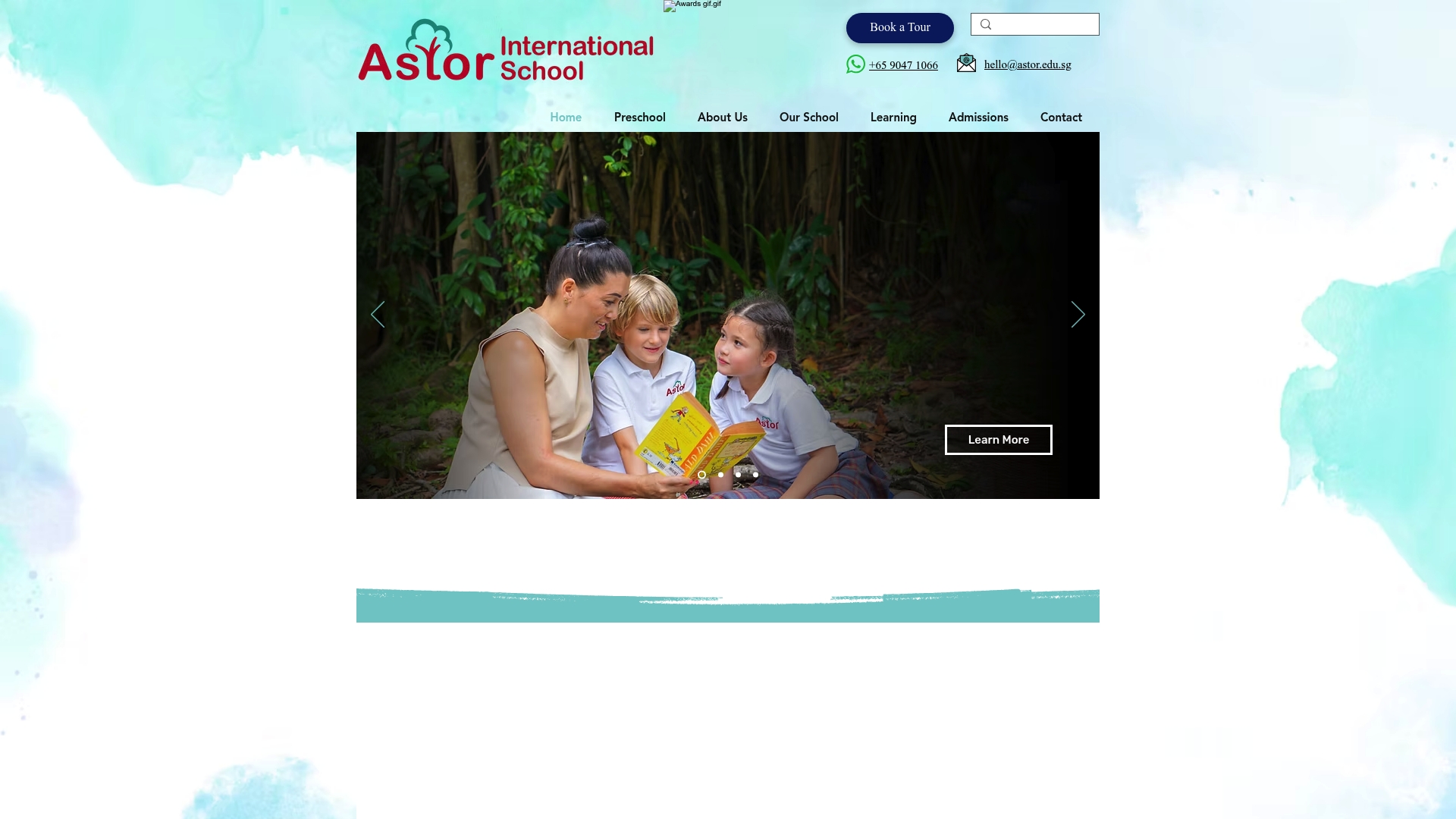
Astor serves children ages 1.5 to 12 across our Holland preschool and Tanglin primary campuses, with two fee structures built for flexibility: Option A, Flexi Fees, at $17,580 SGD per year, and Option B, Fixed Fees, at $23,650 SGD per year. Both include the Astor Enquiry Based Course for Year 1 to 7, with enrichment in arts, sports, and languages built into the schedule rather than bolted on as an afterthought. If you’re already deep into a waitlist elsewhere and want a working alternative your child could start soon, the fees and enquiry page is the fastest way to see exact costs and reach our admissions team directly.
Sources
FAQ
What Are the Top International Schools in Singapore?
Singapore’s most sought-after international schools consistently draw long waitlists precisely because demand outpaces available seats each year, particularly in the mid-primary and secondary year groups. Rankings shift, so check current vacancy data directly through MOE’s SchoolFinder and individual school websites rather than relying on outdated lists.
Can a Singaporean Child Attend an International School?
Yes. Singapore citizens can enroll in private international schools, though most families choosing this route do so for curriculum or language reasons rather than admissions access, since citizens already have guaranteed places in the mainstream MOE system.
Can Singaporeans Enroll in UWCSEA?
Singapore citizens can apply to UWCSEA and other private international schools, subject to each school’s own admissions criteria and available vacancies, though citizens typically need to justify opting out of the local system for funding and subsidy purposes.
What Is the Minimum Age for the AEIS Exam?
AEIS is used for placement into Primary 2 to 5 and Secondary 1 to 3 for the following academic year, so eligibility is tied to the year group a child would enter rather than a single fixed age cutoff. S-AEIS covers a narrower set of same-year placements on a separate timeline.
Does Astor Accept Mid-Year Admissions?
Yes. Astor accepts admissions throughout the year rather than restricting entry to a single August start, which makes it a practical option for families facing a long wait elsewhere. Current fees and enrollment steps are listed on the fees page.
Recommended


Comments