


Practical Outdoor Learning Activities Organized by Goal for Preschool
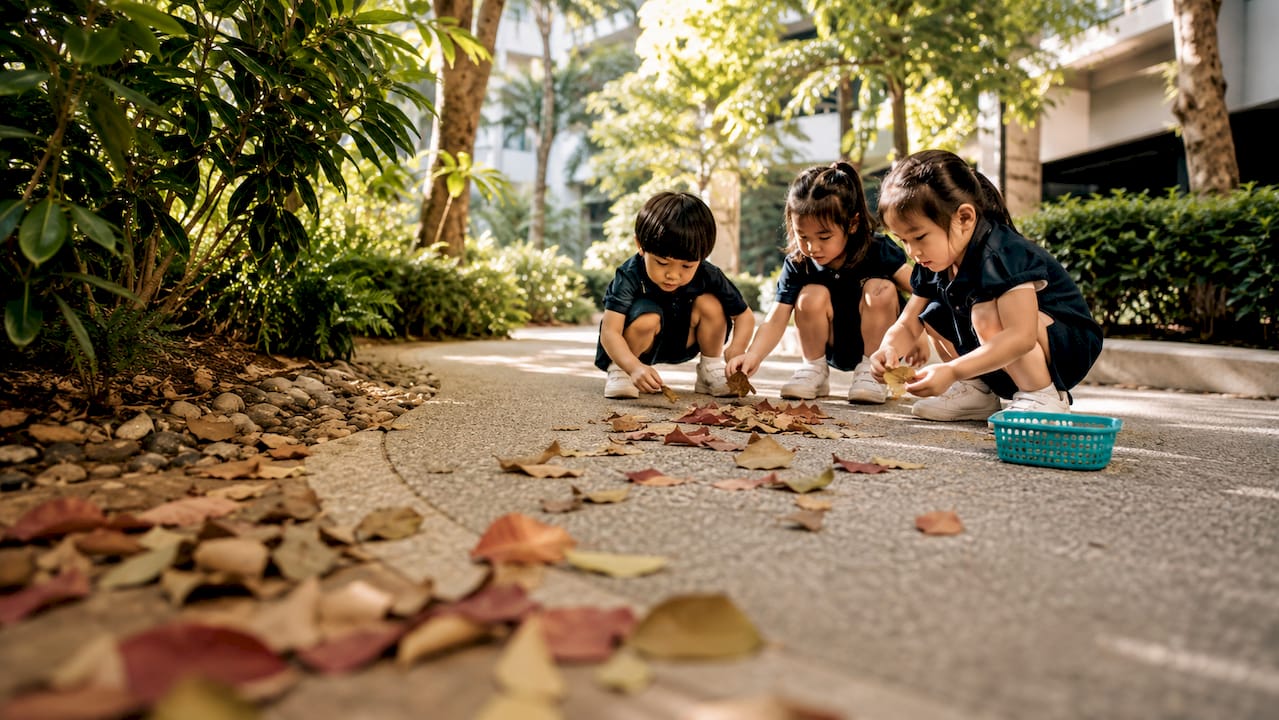
Outdoor learning is one of the most reliable ways to build a preschooler’s physical, cognitive, and social-emotional skills, and it works because children learn best when they can touch, run, and explore rather than sit still. This guide groups outdoor learning activities preschool teachers and parents can run right away by learning goal, adds a planning checklist, and shows how a small class actually puts these ideas into practice. Pick two or three activities, rotate them in short bursts, and watch how quickly engagement builds.
TL;DR:
Short outdoor sessions should be rotated every 10 to 15 minutes to maintain preschoolers’ attention and engagement effectively.
Planning outdoor activities involves checking equipment, managing sun exposure, and ensuring supervision ratios are maintained for safety.
Sensory, movement, science, literacy, and art activities are organized around specific learning goals to support targeted development outcomes.
Documentation, such as photos and brief observations, provides a practical way to track children’s progress across physical, cognitive, and social-emotional domains.
Weather, space limitations, and safety concerns are common barriers, but they can be managed with simple adaptations like shade, tabletop activities, flexible staffing, and clear safety explanations.
Table of Contents
Why Outdoor Learning Matters for Preschoolers
Outdoor learning is not a break from real teaching. It is the teaching. Singapore’s Early Childhood Development Agency describes outdoor learning/curriculum-frameworks/teaching-and-learning-resources/outdoor-learning) as a way to deepen sensory learning, build physical activity into the day, and strengthen a child’s connection to the wider community, and it publishes an Outdoor Learning Activity Journal so educators can plan sessions with a clear structure rather than guesswork.
A 2023 review of outdoor learning programs found that regular sessions improve physical activity levels, motor skills, attention span, and social-emotional wellbeing in young children, based on a synthesis of journal findings and practitioner reports. That tracks with what most educators notice firsthand: a child who cannot sit through circle time will happily balance on a log for ten minutes, count petals on a flower, or negotiate turns on a slide with a friend.
Fast fact: Reviewed research on outdoor learning programs links regular outdoor sessions to measurable gains in motor skills and attention, alongside stronger peer cooperation. Those gains show up in ordinary play. A mud kitchen builds hand strength and patience. A scavenger hunt builds vocabulary and focus. None of it requires a lesson plan that feels like a lesson.
Your Quick Planning Checklist Before Heading Outside
Good outdoor sessions run on structure, not luck. Aim for at least 60 minutes of active outdoor time daily when your schedule allows, a benchmark supported by pediatric guidance on active play, and break that time into 10 to 20 minute rotations so attention stays fresh.
Before any group heads out, run through this:
Timing: rotate stations every 10 to 15 minutes for toddlers and shorter durations for younger preschoolers to maintain attention and engagement.
Sun and hydration: apply sunscreen, schedule shade breaks, and keep water bottles within reach at every station.
Allergies and medical needs: check each child’s file for plant, insect, or sun sensitivities before setting up.
Supervision: keep a visible ratio of at least one adult per small group, with a clear sightline across all stations.
Equipment check: inspect ropes, buckets, and climbing gear for wear before the session starts.
Storage: keep materials in labeled bins so setup and cleanup take minutes, not half the session.
Pro Tip: Pack a small caddy for each station with a towel, wipes, hand sanitizer, and a spare shirt. It shaves minutes off transitions and saves you from a mid-session laundry crisis.
20+ Outdoor Learning Activities Organized by Learning Goals
These preschool outdoor play ideas are grouped by what they teach, not just what they look like. Grouping by learning goal, a method common in practitioner activity guides, makes it far easier to match an activity to a curriculum outcome or a reflection note afterward.
Sensory and messy play
Mud kitchen cooking. Objective: fine motor development and imaginative play. Materials: mud, old pots, wooden spoons. Steps: fill containers with mud, let children “cook” recipes, add leaves or petals as garnish. Variation: swap mud for a rice or bean bin in small or allergy-sensitive spaces.
Water bead exploration. Objective: sensory discrimination and vocabulary building. Materials: water beads, scoops, clear cups. Steps: set beads in a tuff tray, invite scooping and sorting by size, describe textures aloud. Variation: use ice cubes instead of beads for a cold-weather sensory swap.
Sand and shell sorting. Objective: classification and counting. Materials: sand tray, shells or pebbles. Steps: bury items in sand, dig and sort by size or color, count final totals together.
Movement and gross motor
Balance beam walk. Objective: gross motor coordination. Materials: a low wooden beam or taped line. Steps: walk heel to toe, add arm gestures, race a partner slowly. Variation: chalk a wavy line on pavement for spaces without beams.
Obstacle course relay. Objective: coordination and following multi-step instructions. Materials: cones, hoops, a jump rope. Steps: set three to five stations, demonstrate the sequence, time small groups through it.
Animal movement freeze game. Objective: gross motor play and self-regulation. Materials: none required. Steps: call an animal to imitate, freeze on a whistle, repeat with new animals.
Nature science and observation
Nature scavenger hunt. Objective: observation skills and vocabulary. Materials: a picture checklist, small basket. Steps: hand out lists of leaves, rocks, or bugs, search in pairs, compare finds at the end.
Birdwatching corner. Objective: patience and identification skills. Materials: binoculars, a simple bird chart. Steps: sit quietly for five minutes, note colors and sounds heard, sketch one bird spotted.
Planter-box life cycle project. Objective: understanding growth and responsibility. Materials: a planter box, seeds, a watering can. Steps: plant seeds together, assign watering turns, chart growth weekly. Variation: works well as a balcony-friendly setup for small preschools.
Insect hotel building. Objective: ecosystem awareness. Materials: sticks, bark, dry leaves. Steps: stack materials loosely in a shaded corner, check weekly for visitors, discuss what moved in.
Literacy and numeracy
Chalk number hopscotch. Objective: number recognition and gross motor practice. Materials: sidewalk chalk. Steps: draw a hopscotch grid, call numbers to hop toward, count aloud while jumping.
Leaf letter matching. Objective: letter recognition. Materials: collected leaves, chalk-written letters. Steps: write letters on pavement, match a leaf shape to a starting sound, read words formed together.
Storytelling under a tree. Objective: listening comprehension and vocabulary. Materials: a picture book. Steps: sit in a circle outdoors, read aloud, ask children to predict what happens next.
Art and creativity
Nature weaving frame. Objective: fine motor skills and creativity. Materials: a stick frame, yarn, leaves or flowers. Steps: wrap yarn across the frame, weave in natural finds, display the finished piece.
Rock painting. Objective: creative expression. Materials: smooth rocks, paint, brushes. Steps: paint faces or patterns, let dry, use as a garden marker or gift.
Shadow tracing. Objective: spatial awareness and early geometry. Materials: chalk, sunny pavement. Steps: trace a partner’s shadow at different times of day, compare shapes and lengths.
Adapting Activities by Age, Group Size, and Space
The same activity can stretch across a mixed-age classroom with small tweaks. Two and three-year-olds do best with single-step prompts, like “find something red,” while four and five-year-olds can handle multi-step challenges, like sorting finds by size and color and explaining their choices out loud.
Grouping strategy matters just as much as the activity itself:
Buddy system: pair a younger child with an older one for scavenger hunts or planting tasks.
Helper rotations: assign one child per session to hand out materials or lead a countdown for transitions.
Peer-teaching roles: let a child who mastered a skill, like tying a knot for the weaving frame, show a peer.
Small-space swaps: replace a full mud kitchen with a tabletop tuff tray, a garden bed with a planter box, and a sand pit with a balcony-friendly sensory bin, an approach that works well for smaller preschool footprints.
Setup, Rotation, and Cleanup That Actually Work
Running smooth stations comes down to timing and roles, not extra hands. Practitioner guidance on tuff-tray rotations suggests keeping each station to 10 or 15 minutes for younger groups, which keeps interest high and cleanup manageable.
Assign one lead educator per station, one assistant for transitions, and one floating adult for supervision gaps.
Stock each caddy before children arrive, not during the session.
Set up a rinse station with a bucket and towel near messy play so hands get cleaned before moving on.
Keep a spare-clothing bin nearby for inevitable spills.
Run a weekly equipment check using three columns: item, safe or needs repair, action needed.
Pro Tip: A five-minute weekly equipment scan catches a frayed rope or a cracked bucket before it becomes a safety incident mid-session.
How Astor Runs a Real Outdoor Learning Session
A typical session at Astor International Preschool runs 45 to 60 minutes and moves through three phases: a sensory tuff tray for 10 to 15 minutes, a guided nature walk for 15 to 20 minutes, and a reflection circle for 10 to 15 minutes.
Lead educator guides the nature walk and prompts observation questions.
Assistant manages the tuff tray setup and cleanup.
Float staff supervises transitions and handles individual needs.
Materials stay simple: a scavenger checklist, a basket, and a tuff tray with seasonal sensory fillers.
Small class sizes make this rotation manageable without rushing any child through a station, a detail explored further in Astor’s piece on experiential preschool learning.
Tracking What Children Actually Learn Outside
Assessment outdoors does not need a clipboard full of rubrics. The simplest method is documentation: snap one or two photos per session and jot a single-line observation, such as “Mia sorted shells by size unprompted” or “James named three birds without help.” Recording just one takeaway per session, an approach favored in practitioner activity guidance, builds a running record without eating into planning time.
Look for evidence across three domains. Physical development shows up as improved balance, stronger grip, or better coordination on obstacle courses over several weeks. Cognitive growth shows up as more advanced sorting, counting, or vocabulary use during nature walks. Social-emotional progress shows up as longer stretches of cooperative play, better turn-taking, or a child comforting a peer during a mud kitchen mishap.
Compare notes across a two to four week window rather than judging a single session. A child who seemed disengaged during week one’s scavenger hunt might be the same child leading peers through it by week three. Photo logs paired with short observations make that shift visible without a formal test, and they give parents something concrete to see during conferences rather than a vague progress summary. If your program already uses a curriculum framework, map a handful of outdoor activities directly to its existing outcome categories instead of building a separate outdoor rubric from scratch. That keeps assessment consistent and saves you from double the paperwork.
Getting Parents and Caregivers Involved
Parents who understand why their child comes home muddy tend to support outdoor learning far more enthusiastically than parents left to guess. Share a short weekly note, even two sentences, explaining what the class explored outside and what skill it built. “We hunted for red leaves this week to practice color sorting and patience” tells a parent far more than “we played outside.”
Send home a simple take-home nature journal so the learning continues past the classroom gate. A printable resource like the Nature Journal for Kids infographic course gives families a structured way to keep observing together on weekends, without requiring a parent to design an activity from scratch.
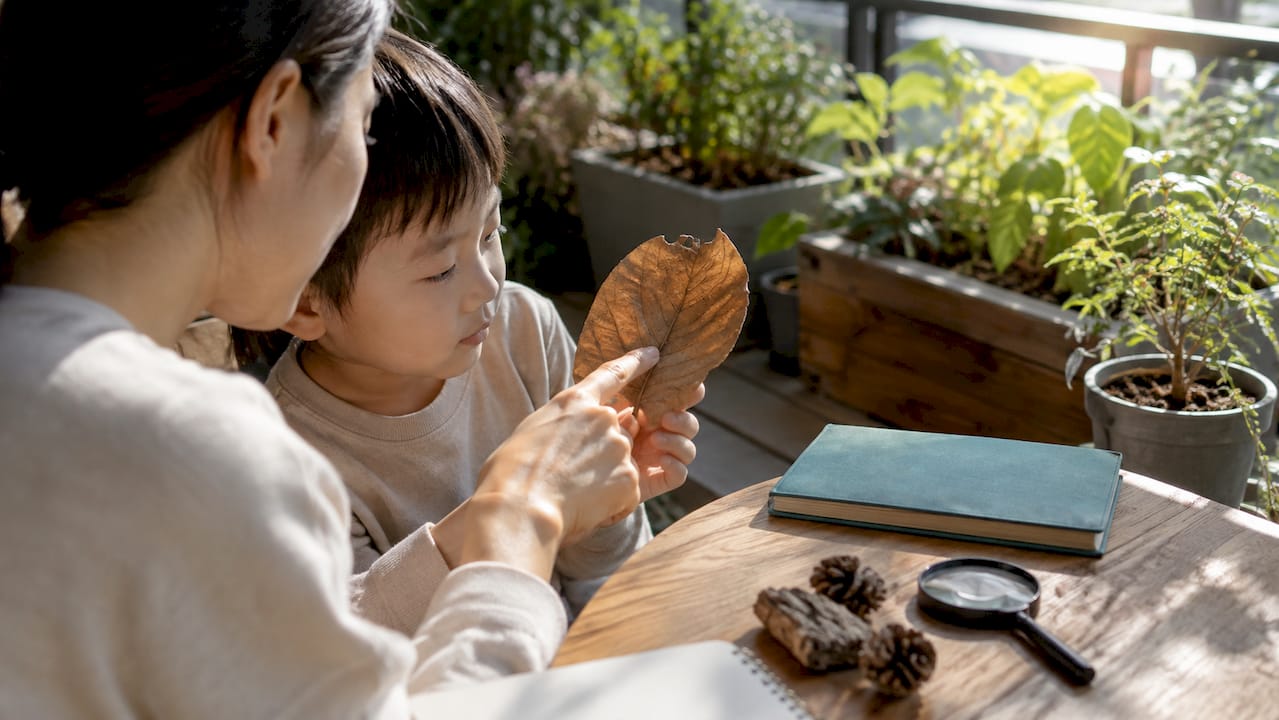
Invite caregivers to an occasional outdoor session as a helper rather than a spectator. A parent who has hunted for bugs alongside their child, even once, understands the value of muddy knees far better than one who only hears about it secondhand. Photo updates work well too. A single photo of a child mid-scavenger-hunt, paired with a one-line caption, often does more to build buy-in than a lengthy newsletter. Keep the ask small and consistent rather than occasional and elaborate, and most families will start reinforcing outdoor exploration at home on their own, whether that means a weekend park visit or a backyard bug hunt.
Common Barriers to Outdoor Learning, and How to Work Around Them
Weather tops most educators’ list of obstacles, but it rarely needs to cancel a session outright. Move sensory and art stations under a covered walkway or awning during light rain, and save full outdoor rotations for clear windows. Heat matters more than most schedules account for. Shift outdoor blocks to early morning and add extra shade breaks rather than skipping outdoor time altogether during warmer months.
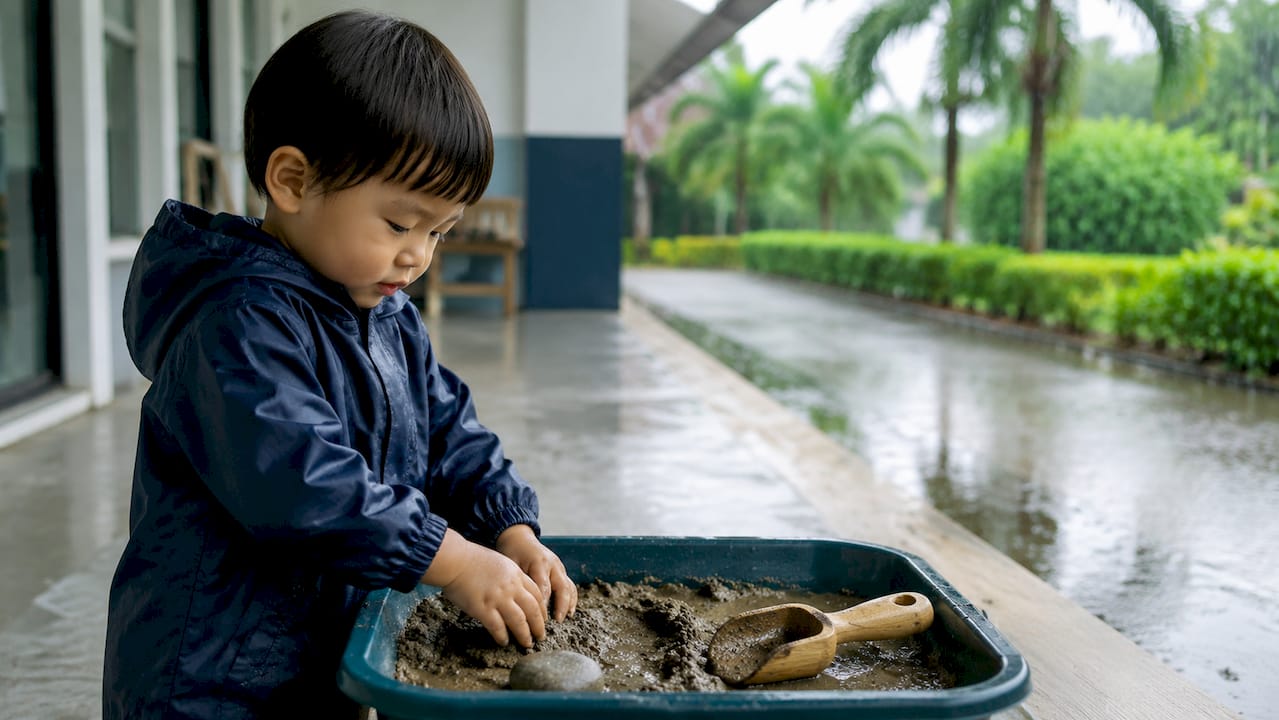
Limited outdoor space is a real constraint for many smaller preschools, but it rarely rules out meaningful outdoor learning. Tabletop tuff trays, planter boxes, and balcony-friendly sensory bins recreate most of the sensory and science activities in this guide within a fraction of the footprint. Staffing ratios can feel tight during transitions between stations. Stagger rotation start times by a few minutes per group instead of moving every child at once, which keeps supervision manageable without adding staff.
Parent hesitation about mess or safety is common, especially with younger toddlers. A quick explanation of what skill a messy activity builds, paired with the safety checklist already in place, usually resolves it faster than a lengthy policy document. Budget concerns are often smaller than expected. Most of the activities above use sand, water, chalk, or found natural materials rather than purchased kits, which keeps outdoor learning nature activities for preschoolers affordable even on a tight supply budget.
Lessons From the Field: What Actually Works
Attention spans outdoors run shorter than indoors, so plan for 10 minutes of real focus per station, not 20. Excitement spikes fast outside. A quick calming cue, like a single clap pattern, resets a group faster than raised voices ever will. Try one new activity a week, snap a photo, jot one line, and let that small log guide next week’s plan.
— Elena
How Astor Brings Outdoor Learning Into Everyday Preschool Life
Some preschools run on small class sizes across playgrounds that blend outdoor and classroom learning, so rotations like the ones in this guide happen daily rather than as an occasional field trip. That structure means every child gets closer attention during a nature walk or a sensory station, instead of waiting their turn in a large group.
If you are weighing preschool options and want a program where outdoor exploration is part of the daily rhythm rather than a special occasion, take a look at how Astor structures its curriculum around inquiry-based and outdoor learning. Families curious about the broader program framework can also review Astor’s IPC curriculum to see how outdoor sessions connect to classroom themes across the year. Reach out to arrange a visit and see a rotation in action before deciding if it fits your child.
Sources
For deeper reading, start with ECDA’s Outdoor Learning resources, pediatric guidance from HealthyChildren.org, and Astor’s own piece on the benefits of outdoor play.
Recommended
Comments