


Singapore Primary School Clubs: PAL Before CCA Choices

In Singapore, primary-school clubs and CCAs are school-run extracurricular programs grouped under four official MOE categories, and participation is strongly encouraged, though formal CCA choices typically begin in late Primary 2 or early Primary 3. Before then, children take part in the Programme for Active Learning. Parents should check their own school’s CCA page early, note the attendance rules, and match activities to what genuinely excites their child.
TL;DR:
Schools may use first choices, shortlists, or modular rotations; popular sports and arts groups hold trials when places and coaching capacity are limited.
Some schools set attendance minimums near 80%, require parent notes or medical certificates for absences, and add sessions before major competitions.
Schools may reduce Primary 6 CCA duties or limit them to one semester, freeing time as pupils prepare for exams.
Parents should shortlist two or three activities around a child’s interests, energy, and family schedule instead of choosing solely by popularity.
CCA costs vary by activity, uniforms, equipment, and competition travel, and schools do not publish one standard fee for families.
Table of Contents
What Are CCAs and Primary School Clubs in Singapore?
CCAs, short for co-curricular activities, are the clubs, sports, arts groups, and uniformed bodies that sit alongside the academic timetable in every primary school. The Ministry of Education organizes them into four groups and frames participation as strongly encouraged at the primary level, recognizing that children grow through more than classroom lessons alone.
Before a formal CCA begins, younger pupils take part in the Programme for Active Learning, which runs through Primary 1 and Primary 2 as a curriculum-based introduction to sports, outdoor activities, and the arts. Formal CCA selection usually starts once a child reaches late Primary 2 or Primary 3. Because every school manages its own CCA list and intake process, we always recommend checking the school’s own CCA page or the MOE SchoolFinder directly, since offerings vary from one school to the next.

The Four CCA Groups and What Children Actually Join
Every primary school CCA falls into one of four groups, and most schools offer a handful of options within each.
Clubs and Societies: robotics, chess, science, infocomm, and environment clubs.
Physical Sports: football, badminton, netball, athletics, and swimming where facilities allow.
Visual and Performing Arts: choir, concert band, dance, drama, and Chinese orchestra.
Uniformed Groups: Scouts or Cub Scouts, Brownies or Girl Guides, Boys’ Brigade, and Red Cross Youth.
MOE’s framework groups every primary CCA into one of these four categories, which gives parents a reliable way to scan a school’s offerings and immediately know what kind of commitment and skill set a club builds, whether that is teamwork on a field, discipline in a uniformed group, or creative expression on a stage.
When Does CCA Selection Happen and How Does Allocation Work?
Timing follows a fairly consistent rhythm across schools. PAL covers Primary 1 and Primary 2, and the option exercise for a formal CCA typically opens in late Primary 2 or early Primary 3.
Some schools allocate based on a child’s first choice when space allows.
Others allocate within a shortlist of the family’s top preferences.
A growing number use modular rotation, where pupils cycle through several short activities across a year instead of committing to one CCA for the long haul.
Trials are common for popular sports and performing arts groups, partly because facilities and coaching capacity are limited. Recent MOE parliamentary replies describe ongoing pilots on allocation models and Strategic Partnership-CCA initiatives designed to widen access and reduce the pressure of selection trials, so the process at your child’s school may continue to evolve.
Commitment, Attendance, and Busy Seasons Parents Should Plan For
Once a child joins a CCA, most schools expect fairly steady attendance rather than casual drop-in participation. Some publish a minimum attendance rate, commonly around 80%, with absences requiring a parent’s note or medical certificate.
Training demands are not constant year round. Weeks leading up to the National School Games or the Singapore Youth Festival can bring extra sessions, so it helps to ask the teacher-in-charge about peak periods before committing a child’s weekly schedule. Primary 6 pupils often see their CCA obligations eased or limited to one semester, freeing up time for exam preparation.
Pro Tip: Ask the teacher-in-charge for a term-by-term training calendar before the school year starts, so you can spot competition-season spikes early.

How to Choose a Suitable CCA for Your Child
The best starting point is your own child, not a list of popular options. Watch what energizes them: do they come alive outdoors, light up around music, or thrive in a small, structured group? From there, we find it helps to shortlist two or three workable CCAs rather than fixating on one.
Note your child’s natural interests, energy levels, and temperament.
Shortlist two to three CCAs that fit those traits and your family’s weekly schedule.
Confirm the practical details with the school before the option exercise closes.
A short checklist makes that last step easier to work through with the teacher-in-charge:
Is the CCA modular or year-long, and how often does it meet?
Is it recreational or competitive, and what does a typical training week look like?
Are there extra costs for uniforms, equipment, or competition fees?
How far does the CCA travel for events, and what is the time commitment outside school hours?
What support and facilities does the school provide for this CCA?
Question to ask | Why it matters |
Modular or year-long? | Determines whether your child tries variety or commits long term |
Recreational or competitive? | Sets realistic expectations on training intensity |
Extra costs involved? | Helps you budget for uniforms, gear, or events |
Peak-season schedule? | Flags weeks with heavier weekly demands |
Make-up sessions offered? | Matters if your child has planned absences |
When a school does not offer a sport or art form your child loves, ActiveSG programmes and community clubs fill that gap nicely, especially through school holiday periods and junior sports academies that run outside term time.
How Small-School Enrichment Complements School CCAs
At Astor International School, we see school CCAs and enrichment as working best together rather than competing for a child’s attention. Our small class sizes, averaging around 15 children, and our inquiry-based IPC curriculum give us room to notice what a child responds to and build on it directly, whether that interest shows up first in a school CCA or in one of our own programs.
Our enrichment classes cover arts, sports, and inquiry-led activities that often mirror common CCA interests.
Our summer camps give children a structured way to explore a new activity during school breaks.
Our IPC modules build the same curiosity and teamwork that uniformed groups and performing arts CCAs aim for.
Families balancing a school CCA with outside enrichment often ask us about scheduling and fees, and we are glad to walk through both during an enquiry.
A Parent’s Honest Take on Choosing the Right Club
Watch how your child responds to PAL before anything else. Shortlist what fits their energy, confirm the school’s actual policies rather than assuming, and stay ready to adjust if a commitment turns out heavier than expected. Encourage a mix of creative and active pursuits, and keep the conversation about enjoyment open all year.
— Elena
Why Families Choose Astor for Enrichment Alongside School CCAs
Many of the families we work with are juggling a school CCA with a search for something that rounds out their child’s week without adding stress. That is exactly where our enrichment classes and summer camps fit in, built around the same small class sizes and personalized attention that shape our day-to-day teaching.
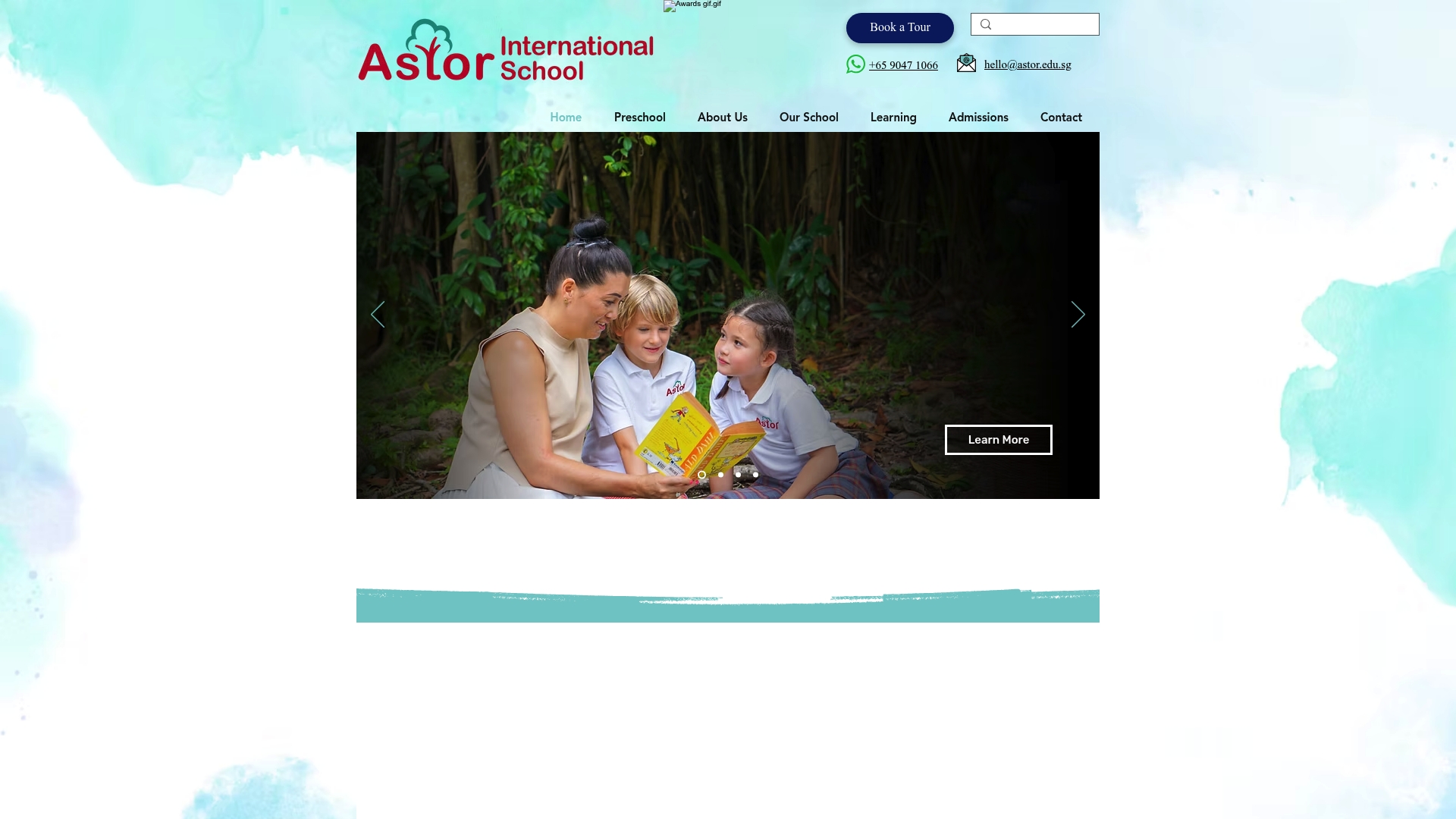
Our enrichment classes align with arts, sports, and inquiry-based interests that mirror common CCA groups.
Our fee options provide families flexibility in how they plan for school and enrichment together, as detailed on our fees page.
Our small class sizes mean enrichment time receives focused attention alongside the main curriculum.
If you are weighing how a school CCA and outside enrichment might work together for your child, we welcome you to reach out and book a visit through our fees and programmes page to see how our small-school setting fits your family’s week.
FAQ
What Age Do Children Start CCAs in Singapore Primary Schools?
Formal CCA selection typically begins in late Primary 2 or early Primary 3, after children complete the Programme for Active Learning in Primary 1 and Primary 2. Exact timing depends on each school’s own option exercise schedule.
Are CCAs Compulsory in Singapore Primary Schools?
CCA participation is strongly encouraged rather than nationally compulsory at the primary level, according to MOE’s own framework. Individual schools, such as CHIJ Katong Primary, may set their own expectations once a child is enrolled in a CCA.
What Are the Four Official CCA Categories?
The four groups are Clubs and Societies, Physical Sports, Visual and Performing Arts, and Uniformed Groups, as outlined by MOE. Each school picks a selection of CCAs from these categories based on its facilities and staffing.
Can My Child Combine a School CCA With Outside Activities?
Yes, many families keep one outside activity, such as an ActiveSG programme, running alongside a school CCA, especially during school holidays. Some switch the outside activity out once the school CCA becomes more time-consuming closer to competition season.
How Much Do Primary School CCAs Cost?
Published school policies do not list a single standard CCA fee, since costs depend on the activity, uniform, and any competition travel involved. Enrichment alternatives outside school, like our summer camps at $108 SGD per day or $488 SGD per week, offer a clearer, published price point for families comparing options.
Sources
For the latest school-specific CCA lists, check your child’s own school CCA page or the MOE SchoolFinder. MOE’s policy pages and parliamentary replies, school pages like CHIJ Katong Primary, and ActiveSG programmes all offer reliable, current detail beyond what any single guide can cover.
Recommended
Comments