

Singapore expat resources for families: Essential support for kids
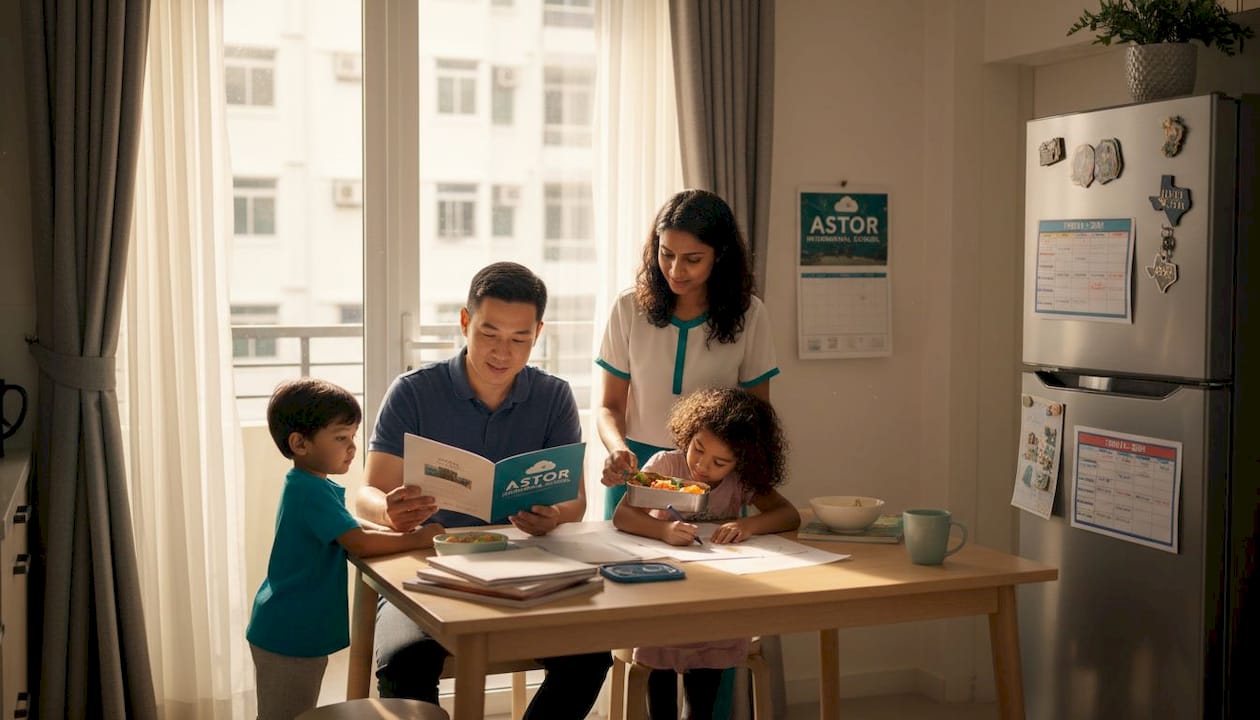
Arriving in Singapore with young children in tow is genuinely exciting, but the sheer volume of decisions waiting for you can feel overwhelming fast. Which schools have waitlists? Which forums are actually useful? Where do playgroups meet, and who do you call when your child has additional learning needs? Families with children between 1.5 and 12 years old face a particularly layered set of choices, because the right answer for a toddler looks very different from the right answer for a nine-year-old. This guide cuts through the noise and maps out the most trusted, actionable resources available to expat families in Singapore right now.
Table of Contents
Key Takeaways
Point | Details |
Start planning early | Apply 12–18 months ahead for top schools due to lengthy waitlists. |
Forums offer real insights | Parenting and expat forums provide firsthand advice and critical support networks. |
Local vs international schools | Local schools are cost-effective, but entry is tougher; international options offer easier entry but are expensive. |
Sports and groups build community | Sports teams and playgroups help expat kids integrate, make friends, and gain confidence. |
Inclusive education options | Special needs and inclusive schools are accessible with early intervention centers and 19 SPED options. |
How to evaluate expat family resources in Singapore
Now that you’ve seen the main challenges, let’s set up a simple evaluation framework before diving into specific resources. Not every forum, school directory, or community group will suit your family, and knowing what to filter for saves you weeks of frustrating research.
Start with four key criteria:
Age group: Resources for toddlers and preschoolers (1.5 to 5 years) are quite different from those targeting primary school children (6 to 12). Always check whether the resource speaks directly to your child’s developmental stage.
Schooling needs: Are you weighing curriculum options, budgeting for fees, or managing a mid-year move? Each situation calls for a different type of support.
Community fit: Some families want a tight-knit national community (British, American, Australian). Others prefer a mixed international environment. Neither is wrong, but it shapes which forums and groups feel most relevant.
Cost: Free online forums are a great starting point for advice. Paid directories or school consultants make more sense once you’re at the shortlisting stage.
When it comes to forums, established platforms consistently outperform niche blogs. Peer-supported expat forums provide real experiences on schools, playdates, and moms groups that no brochure can replicate. The depth of lived experience in these communities is genuinely invaluable, especially for first-time expat parents.
For navigating school choices, remember that the process is longer than most new arrivals expect. Good decisions here are rarely made in a weekend.
Pro Tip: Start your school research at least 12 to 18 months before your planned arrival in Singapore. Popular international schools maintain long waitlists, and submitting applications early gives your child a genuine head start.
Parenting and family forums: Where expats get real answers
With your evaluation criteria set, let’s see what these community forums can offer. The good news is that Singapore’s expat community is one of the most connected in Asia, and several high-quality platforms have been active long enough to hold genuinely useful archives.
Singapore Expats Forum is the most well-known hub for incoming families. It has dedicated sections for parenting, covering schools, international schools, moms groups, playdates, preschools, and special needs discussions. You can search archived threads to see how other families handled your exact situation months or even years ago, and you can post your own questions to get current answers. The tone tends to be friendly and practical, which makes it easy for newcomers to jump in.
SingaporeMotherhood.com serves a slightly different purpose. It functions as both a parenting directory and community forum, covering pregnancy, baby and toddler topics, preschoolers, and family activities around the island. If you’re looking for product recommendations, local pediatricians, or activity ideas for a rainy Saturday, this is a reliable place to browse.
For families who prefer a broader, more internationally flavored perspective, the Expat Exchange Singapore Forum covers the experience of living in Singapore more generally, including having babies, schooling options, and neighborhood advice.
“The first week after we landed, I found answers to questions I didn’t even know I had yet. The forum threads from other expat parents were more honest and detailed than anything from the relocation company.” This kind of candid, peer-driven support is exactly why these forums remain essential resources for newcomers.
Beyond these platforms, don’t overlook the value of Facebook groups specific to your nationality or neighborhood. While they lack the organized archive structure of established forums, they offer faster responses and a stronger sense of local, real-time community. For a broader look at what international school life actually involves, international school secrets shared by families who’ve been through the process are worth reading before you finalize any decisions.
School options for expat kids: Local vs. international
Forums can help answer schooling questions, but here’s how to compare your options directly. The two main paths are local schools run by the Ministry of Education and private international schools.
Local schools are managed by MOE Singapore and are significantly more affordable than international alternatives. Expat children can apply through the AEIS (Admissions Exercise for International Students) or S-AEIS process, which involves sitting English and math assessments. The academic standards are high, and integration into the local school system can be deeply rewarding, though the cultural and linguistic adjustment is real.
International schools are where the majority of expat families with children aged 1.5 to 12 ultimately land. Singapore currently has approximately 50 to 69 international schools serving around 60,000 students, with popular curricula including the International Baccalaureate (IB), British, and American programs. Annual fees typically range from S$30,000 to S$50,000, and schools like Tanglin Trust, UWCSEA, SAS, and Dulwich regularly carry 12 to 18 month waitlists. If you are relocating for a role and your employer covers school fees, this tier becomes far more accessible.
The comprehensive parent reviews available on Expat Living SG cover more than 30 international schools and are organized by age group, making them a practical shortlist tool.
Feature | Local schools | International schools |
Annual fees | Modest (S$700–S$1,500/month) | S$30,000–S$50,000 per year |
Entry process | AEIS/S-AEIS exam required | Application and interview |
Curriculum | Singapore national curriculum | IB, British, American, others |
Language | English and mother tongue | Primarily English |
Class size | Larger (30–40 students) | Smaller (15–25 students) |
Waitlists | Minimal | 12–18 months common |
When shortlisting schools, work through these steps in order:
Confirm your child’s age group and identify which schools cater to that range.
Check curriculum alignment with your home country if you plan to return eventually.
Review fee structures and confirm whether your employer’s package covers education allowances.
Visit campuses in person and ask about class sizes and teacher turnover rates.
Submit applications to your top three choices simultaneously rather than waiting for one response before approaching another.
For practical international school tips and detailed admission tips, reviewing both guides together gives you a well-rounded picture of what to expect from the process. When comparing costs, the school fee guide offers a transparent look at what families at different budget levels can realistically plan for.
Pro Tip: When visiting schools, pay attention to how teachers interact with children in hallways and common areas, not just during formal class observations. Those unscripted moments often reveal the real culture of a school far more clearly than any marketing brochure can.
Community groups, sports, and social integration
Beyond the classroom comparison, social networks and community groups are just as vital. Children settle in faster when they have friends and routines outside of school, and parents feel far less isolated when they find their people early.
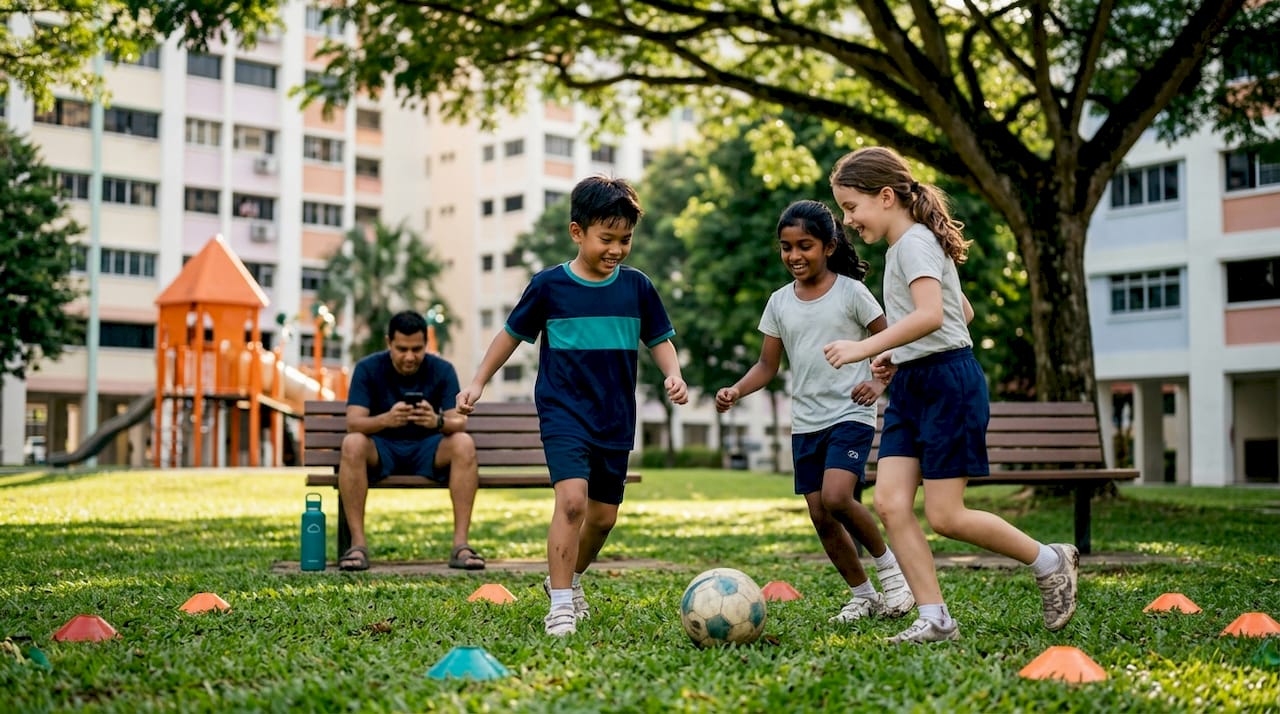
Sports programs are a wonderful entry point for expat children. Expat Network Singapore offers kids’ team sports including basketball and soccer, specifically designed for expat children to build friendships, confidence, and a sense of belonging through play. These structured programs are ideal for children aged five and above and provide the added benefit of regular, predictable social time that helps establish a sense of routine in a new environment.
Playgroups and moms networks are equally important, particularly for families with younger children. ExpatWoman’s directory of mums groups includes resources like the East Coast Mums’ Support Group on Facebook, SAHM (Stay-at-Home Moms) groups, and the St. George’s Church Mums and Tots program. These groups meet regularly, which matters more than their size. Recurring contact builds genuine friendships in a way that one-off events rarely do.
A few practical strategies for social integration worth keeping in mind:
Join at least one group that meets weekly rather than monthly. Frequency accelerates friendship formation for both children and parents.
Look for school-based parent communities from your child’s first week. Many international schools organize welcome coffees or WhatsApp groups specifically for new families.
Attend neighborhood events when you can. Singapore’s community centers host family-friendly activities that introduce you to the local social fabric outside the expat bubble.
For a broader view of how play, sport, and community fit into your child’s overall development, the holistic education guide for expat parents covers this terrain thoughtfully and practically.
Pro Tip: Prioritize activities and groups that are close to your home. It sounds obvious, but families who choose convenience over prestige end up attending more consistently, and consistency is what actually builds belonging.
Special needs and inclusive resources for expat families
While many expat families seek typical schooling, special needs support is equally crucial, and Singapore’s offering in this space is more developed than many families realize before they arrive.
According to Sassy Mama SG’s resource guide, Singapore currently has 19 SPED (Special Education) schools, alongside a network of early intervention centers and inclusive preschools. Whether your child has been diagnosed with autism spectrum disorder, developmental delays, sensory processing differences, or learning difficulties, there is a pathway designed to support them.
The main types of support available include:
SPED schools: Specialized schools for children with moderate to severe needs, offering tailored curricula and high staff-to-student ratios.
Early intervention centers: Focused on children under seven, providing speech therapy, occupational therapy, and developmental programs often partially subsidized by the government.
Inclusive preschools: Mainstream preschools that integrate children with mild to moderate additional needs alongside their neurotypical peers, with additional support staff.
Support type | Age range | Entry criteria | Key benefit |
SPED schools | 6–18 years | MOE assessment required | Specialized curriculum |
Early intervention centers | 0–6 years | Referral from pediatrician | Early therapeutic support |
Inclusive preschools | 18 months–6 years | Assessment and interview | Peer integration |
When exploring these options, contact centers as early as possible because assessment waiting lists can be long. Reading parent testimonials on forums like Singapore Expats Forum and Singapore Motherhood gives you honest insight into day-to-day experience that official websites rarely provide. For teaching approaches that support diverse learners, reviewing classroom strategies gives useful context, and the inclusive education guide outlines what to look for in a genuinely supportive school environment.
What most guides miss: Navigating the ‘hidden curriculum’
Now that we’ve covered formal resources, let’s explore some experiential lessons that traditional guides rarely highlight. After working closely with expat families navigating Singapore’s education landscape, a few patterns stand out as genuinely underestimated.
The most powerful integration tool for most families is not a forum or a fee comparison table. It’s a WhatsApp group. Parent-led networks that form organically around school gates, apartment buildings, or sports fields carry the kind of candid, up-to-the-minute information that no published guide can replicate. The families who settle fastest are almost always those who find one trusted community contact in their first two weeks and let that relationship open doors to others.
Another overlooked area is bilingualism. English-Mandarin bilingual programs are growing steadily in Singapore, and newer schools entering the market often have more available places than their established counterparts. This creates a real opportunity for families who are open to a bilingual education model or who simply want to avoid the longest waitlists. Researching these options takes a bit more digging, but the affordable school advice available here outlines how families can find quality education without defaulting to the most prestigious and expensive names.
Perhaps the most contrarian thing worth saying is this: formal relocation guides often treat schooling as the central variable and everything else as secondary. In our experience, the families who thrive are those who get the neighborhood right first. Living close to your child’s school, near a good playground, within walking distance of a hawker center where families gather on weekends, these factors shape daily life more profoundly than whether your child attends school A or school B. Plan the whole picture, not just the application form.
Explore more: Astor International School solutions for expat families
For families ready to take action, here’s how to connect with Astor International School. If you’ve been reading this guide and picturing a school where every child is genuinely known by their teachers, where class sizes stay small and individual curiosity is nurtured with real intention, we’d love for you to learn more about what Astor offers.
Astor International School, located in the Tanglin area of Singapore, has been recognized as both the best small school and the best affordable international school in Singapore. We serve children aged 5 to 12 with a personalized, engaging approach to learning built around the IPC curriculum. Families with younger children aged 1.5 and up are warmly welcomed at our recently expanded preschool in Holland Village. Visit our school overview to explore what makes Astor a warm, meaningful community for expat families, and register for our next open house to experience campus life firsthand.
Frequently asked questions
What are the main differences between local and international schools for expat children in Singapore?
Local schools are more affordable and require AEIS exam entry, while international schools charge S$30,000 to S$50,000 annually, offer IB and British or American curricula, and typically carry 12 to 18 month waitlists.
How early should expat parents apply for school places in Singapore?
Begin applying at least 12 to 18 months before your planned move, as top international schools like Tanglin Trust, UWCSEA, SAS, and Dulwich regularly fill their places well in advance.
Where can expat families find support for children with special needs in Singapore?
Families can access 19 SPED schools, early intervention centers, and inclusive preschools through Singapore’s special needs network, with Sassy Mama SG providing a thorough directory.
How can expat children make friends and integrate socially in Singapore?
Joining team sports programs through Expat Network Singapore and signing up for local mums groups like East Coast Mums or St. George’s Church Mums and Tots provides structured, recurring social opportunities for both children and parents.
Are there bilingual school programs for expat children in Singapore?
Yes, bilingual English-Mandarin programs are growing steadily in Singapore, and newer schools entering the market in 2025 and beyond often have shorter waitlists, giving families a meaningful alternative to the most competitive institutions.
Recommended
Comments