


Avoid Paying Twice: Singapore Parents, MOE Checks for Arts Enrichment

Yes, arts enrichment is worth pursuing for primary-aged children in Singapore when you choose it for clear goals, whether that’s confidence, a specific skill, performance readiness or digital media literacy. It works best alongside what schools already teach, not instead of it. Prioritize external programs when your child wants more depth, more stage time or a format MOE lessons don’t cover, like animation or ensemble music, as explained in this guide to international school curriculum.
TL;DR:
External arts programs offering extended practice and performance opportunities deliver measurable skills growth and social benefits, especially when lasting over a term.
Programs should clearly specify learning outcomes, progress signs, and application plans, with teacher experience and class size being critical quality indicators.
For lower primary children, exploration-focused activities of about 45 minutes weekly suit their developmental stage, while upper primary students benefit from more structured, skill-driven sessions.
Arts enrichment costs vary; check whether programs are school-funded, NAC-AEP endorsed, or fully parent-paid to ensure genuine gaps are filled without unnecessary duplication.
Parental involvement and matching activities to a child’s interests boost engagement, with small class sizes and trial lessons helping identify the best fit.
Table of Contents
Why arts enrichment matters for primary-aged children in Singapore
The Ministry of Education already treats art and music as compulsory, non-examinable subjects for every primary student, which tells us something important: Singapore’s education system sees creative learning as foundational, not optional. The question for parents isn’t whether arts matter. It’s how much more structured exposure helps, and what kind.
Research gives us a useful answer here. A study on sustained arts interventions found that programs combining classroom residencies with live performance attendance improved social awareness and collaborative skills in primary-aged children, particularly when the programs ran over an extended period with active participation rather than passive viewing. That distinction matters for how you choose a program: a one-off workshop rarely delivers the same depth as a term-long course with real practice time.
It helps to separate what you’re actually hoping for. Short-term socio-emotional goals, like a shy child finding the confidence to speak in front of a group, look different from long-term skill acquisition, like learning proper bowing technique on a violin or building toward an ensemble performance. Both are legitimate reasons to enroll, but they call for different formats and timelines.
When you’re evaluating a program, ask the provider what you should expect to see change, and by when. A quality program should be able to name measurable signs of progress, not just “more creative” or “having fun.” Reasonable things to ask for:
A sample piece of work or performance recording showing growth over a term
A specific skill checklist (for example, color mixing, rhythm accuracy or stage presence)
Teacher notes on participation, confidence or collaboration shifts
A plan for how the child will apply the skill beyond the classroom (a recital, an exhibition, a portfolio)
Programs that can answer these questions clearly tend to be the ones worth your time and tuition.
Common arts enrichment types parents consider
Singapore parents typically weigh five broad categories, each suited to different temperaments and goals.
Visual arts programs build drawing, painting and composition skills, and they tend to suit children who like working independently and seeing a finished product. Music lessons, whether piano, violin or group ensemble, build discipline and listening skills over a longer runway, often with weekly lessons plus home practice. Drama and theater classes build communication and public speaking confidence quickly, which makes them a strong pick for children who need a nudge out of their shell. Dance programs combine physical coordination with performance experience and suit children who are naturally kinesthetic learners. Digital arts, including animation and basic design tools, appeal to children already drawn to screens and give that interest a creative, skill-building outlet.
Format matters as much as category. Here’s what parents commonly find:
Term-long weekly classes, usually 10 to 12 weeks, for steady skill building
Short holiday camps, often daily over a week, for intensive exposure or trying something new
Ensemble or group formats (choir, band, dance troupe) for children ready to perform with others
One-off workshops or artist visits, useful for sampling an art form before committing
A good rule for narrowing choices during a trial lesson: watch whether your child asks to come back, not whether they smiled through the hour. Genuine engagement shows up in curiosity about the next session, not just enjoyment of the first.
How enrichment fits with MOE art and music syllabuses and NAC-AEP
Understanding what school already covers helps you avoid paying twice for the same thing, or worse, missing a gap your child actually needs filled. The MOE primary art syllabus outlines core learning experiences including a drawing unit spanning Primary 1 through 6, a Museum-Based Learning (MBL) component required at Primary 4, and recommended weekly double-period art lessons to give students sustained engagement rather than rushed, one-off sessions.
On the music side, the MOE music syllabus centers on listening, creating and performing, with schools able to supplement lessons through Performing Arts-Based Learning experiences that connect students to external arts partners.
This is where the National Arts Council’s NAC-AEP/overview-of-nac-aep) becomes relevant. NAC-AEP maintains an endorsed directory of a large number of arts programs from many artists and groups, and the majority of MOE schools use the scheme when sourcing arts programming for students. Tote Board arts grants help subsidize schools’ purchases of these programs, which is why many in-school enrichment offerings cost little or nothing extra to families.
Before signing up for anything, it’s worth asking a few direct questions:
Is this program part of the compulsory school curriculum, or an optional add-on?
Is it NAC-AEP-endorsed, which suggests a vetted standard of quality?
Is it funded through the school (via Tote Board grants) or fully paid by parents?
Does it duplicate what’s already covered in art or music class, or genuinely extend it?
Knowing the answer helps you decide whether external enrichment is filling a real gap or simply repeating what your child already gets during the school day.
Age guide: what lower and upper primary children gain
Lower primary children, roughly Primary 1 to 3, benefit most from exploration rather than mastery. At this stage, short playful projects, like a 30-minute collage activity or a simple rhythm game, build curiosity without the pressure of a performance deadline. Parents who sit in on a session (where allowed) or ask to see the week’s work tend to get the clearest sense of whether a program suits their child’s temperament.
Upper primary children, Primary 4 to 6, are ready for more structured skill development. This is also when MOE’s Museum-Based Learning component kicks in at Primary 4, making it a natural moment to pair school art lessons with a visit to a local gallery or museum. Upper primary students generally respond well to ensemble work, performance readiness and exhibition preparation, since they have the attention span and coordination to sustain longer practice sessions.
A few general guidelines on frequency:
Lower primary exploration: one 45 to 60-minute session weekly is usually enough
Upper primary skill-building: one to two sessions weekly, 60 to 90 minutes each, works well for instruments or dance
Performance or exam preparation: add a short practice block at home, but keep it under 20 minutes daily to avoid fatigue
Matching intensity to age prevents the two most common mismatches: bored upper primary students stuck in exploratory play, and overwhelmed lower primary students pushed into technical drills too early.
How to choose a quality arts enrichment program
A strong program announces its learning outcomes upfront, whether that’s “confident public speaker,” “drawing fundamentals” or “grade one piano proficiency.” Vague promises of “unlocking creativity” with no sample lesson plan or progress marker are a signal to keep looking. Ask to see what a typical lesson covers, and whether the provider can show you a student’s work from week one compared to week ten.
Teacher qualifications matter just as much as curriculum. Ask about the instructor’s experience working specifically with children in the primary age range, not just general artistic credentials, and confirm the provider has safe hiring practices in place, including background checks for anyone working directly with your child. Class size also shapes the experience: a group of six to eight gets far more individual attention than a group of twenty, particularly for younger children still building basic skills.
Before committing, a trial lesson is worth requesting. Most reputable studios offer one, and it’s the clearest way to see whether the pedagogy is inquiry-based (child-led exploration) or product-driven (rushing toward a finished piece for display). Both have their place, but they suit different children.
Here are ten questions worth asking on a call or during a trial:
What specific skills or outcomes will my child gain by the end of term?
Can I see a sample lesson plan or weekly curriculum outline?
What is the instructor’s experience teaching this age group?
Is there a background check or child safety policy for staff?
What is the typical class size, and what’s the student-to-teacher ratio?
Is this program NAC-AEP-endorsed or independently developed?
How will you track and communicate my child’s progress?
Is a trial lesson available before I commit to a full term?
What happens if my child wants to pause or withdraw mid-term?
How do you handle children who are shy or hesitant to participate at first?
Three red flags to watch for: a provider that can’t describe any measurable outcome beyond “fun,” reluctance to let you observe or trial a session, and no clear answer about staff vetting or child safety procedures.
Pro Tip: Bring your child to the trial lesson without telling them it’s a “test.” Their natural reaction, curious or reluctant, tells you more than any brochure.
Costs, scheduling and avoiding enrichment overload
Pricing varies widely by format and provider, so it’s worth checking current rates directly with any studio you’re considering rather than relying on figures that may be out of date. Term-long courses and holiday camps follow different pricing shapes, with camps typically priced by the day or week and term courses priced for a full set of weekly sessions.
A useful heuristic for balancing school, co-curricular activities and outside enrichment: aim to keep total weekly extracurricular time, including arts, sports and tuition, under eight to ten hours for lower primary children and under twelve for upper primary, leaving room for unstructured play and rest.
Watch for signs your child is overloaded: reluctance to attend a class they used to enjoy, declining schoolwork, or physical complaints like headaches before sessions. If these appear, the National Arts Council’s data on sustained, well-paced programs reminds us that consistency beats intensity. Scaling back to one weekly session, or pausing for a term, is often the better move than pushing through.
Check whether the program bills by term, by month or per session before enrolling
Ask about refund or pause policies if your child’s schedule changes
Reserve at least one evening and one weekend block free of structured activities
Practical activities parents can try at home
Between classes, a few simple habits keep momentum going without adding pressure. Try a five-minute sketch prompt before bed (draw “something from today”), a weekend family rhythm game using pots and spoons, or a ten-minute improvised drama scene based on a book your child is reading.

Local museums and libraries double as free extensions of school learning, particularly around the Primary 4 Museum-Based Learning component. A guided visit to the National Gallery Singapore or a local library’s art corner, paired with a simple question like “which piece would you want to live with?,” turns a casual outing into genuine engagement.
Keeping a simple portfolio, a folder or photo album of your child’s work over the year, gives you something concrete to discuss with their teacher at parent conferences.
Weekly five-minute sketch prompts tied to the day’s events
A family rhythm or clapping game once a week
Ten-minute improvised drama scenes from favorite stories
A monthly museum or library visit with one guiding question
A simple photo portfolio updated after each class
Pro Tip: Ask your child to narrate their own artwork rather than explaining it yourself to others. The explanation often reveals more learning than the piece itself.
How a small international school structures arts enrichment
Astor International School, located in the Tanglin area, offers a useful model for how school-run arts enrichment can work alongside MOE-aligned learning. With class sizes capped at 20 students and an average of 15 per class. The school offers closer attention during enrichment sessions than larger institutions typically manage.
Enrichment classes sit alongside the school’s inquiry-based IPC curriculum, giving children a chance to explore creative subjects within the same small-group setting they already know. For parents comparing a school-run option against an external studio, the key question is continuity: does the same teacher who knows your child’s classroom habits also lead the enrichment session, or is it a separate relationship entirely? Both models work, but school-run programs often reduce the handoff friction between what’s learned in class and what’s practiced in enrichment.
Parental involvement and support strategies during arts enrichment
Your involvement shapes how much a child gets out of arts enrichment, often more than the program itself. Simple habits make a measurable difference: asking open questions after class (“what was the hardest part today?” rather than “did you have fun?”), attending showcases or recitals when invited, and resisting the urge to critique a child’s work before they’ve finished explaining it themselves.
Consistency also matters more than intensity. A child who practices ten minutes most days tends to retain more than one who practices an hour once a week, so building small, regular check-ins into your routine supports the program far more than occasional enthusiasm.
It helps to stay in touch with the instructor, not just at the end of term but periodically, to understand what’s working and what your child finds frustrating. Teachers often notice shifts in confidence or technique before a parent does, and a quick conversation can catch a mismatch early, before a child disengages entirely.
Finally, let your child have a say in what they pursue. Enrichment chosen collaboratively, rather than assigned, tends to hold a child’s interest far longer, and that interest is often the single biggest predictor of whether a program delivers real, lasting benefit.
A quick note from Elena and one step to take this week
I’ve spent enough time around Singapore classrooms to notice a pattern: the children who thrive in arts enrichment aren’t the most naturally talented ones, they’re the ones whose parents picked a program matched to what the child actually wanted, not what looked impressive. My honest recommendation is to start small. Book one trial lesson this week, or take a 30-minute guided visit to a museum or gallery with a single question in mind. Notice what your child asks about afterward. That curiosity, more than any brochure, tells you where to go next. If you want a concrete starting point, the sections above on costs and the selection checklist are a good place to return to before you commit.
— Elena
Explore enrichment options with Astor
Small class sizes make a real difference in how much individual attention your child gets during enrichment, whether that’s a gentle nudge to try a new brushstroke or a quiet word of encouragement before a first solo. At Astor, classes average 15 students, with a cap of 20, so instructors genuinely know each child’s progress rather than managing a crowd.
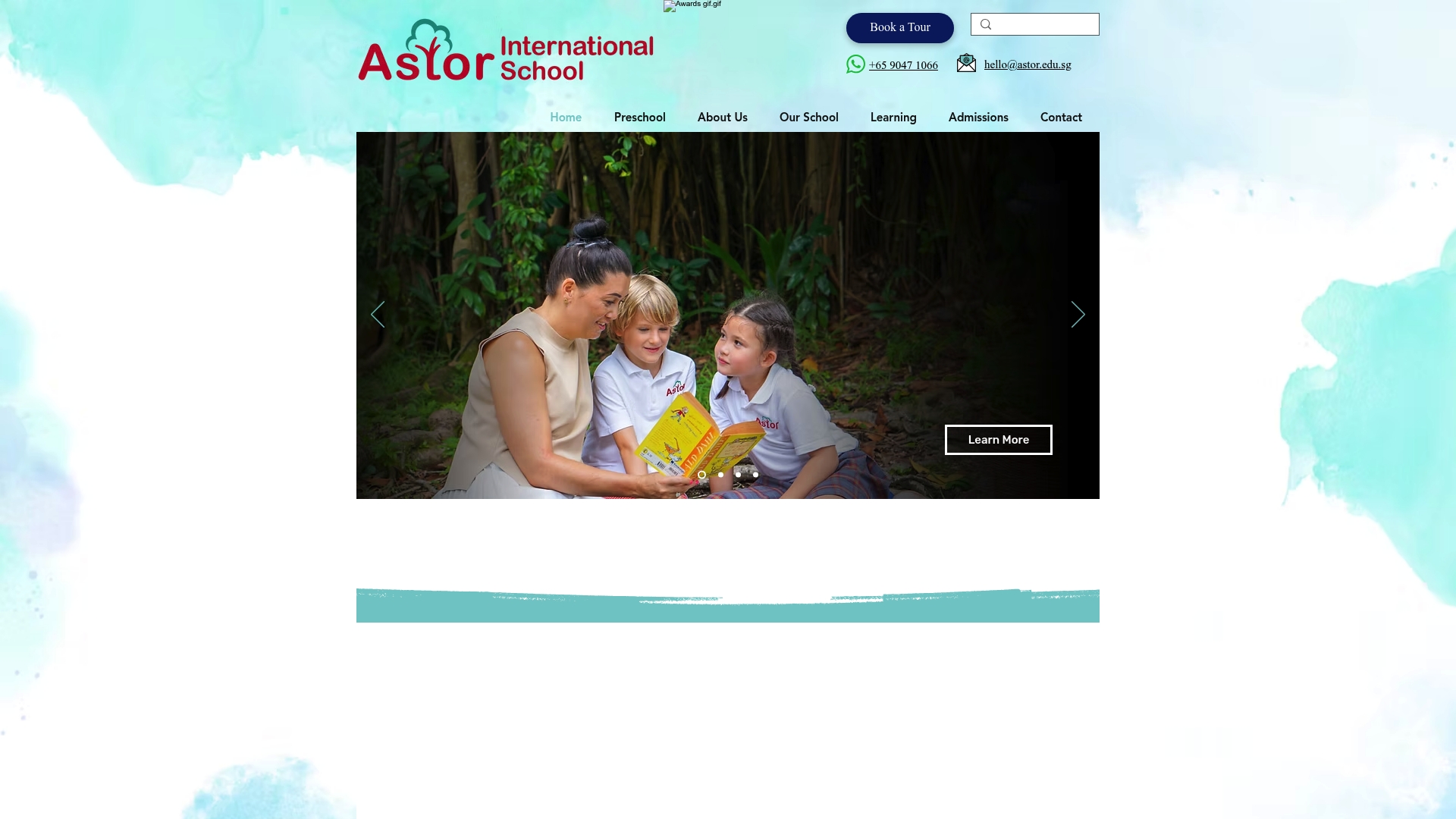
Our enrichment classes sit alongside the inquiry-based IPC curriculum, and families can choose between two fee structures to suit their planning preferences. Fixed Fee Enrichment Classes running five days a week and seasonal Summer Camps are available for families wanting a consistent and flexible structure.
Review full fee details on our fees page
Browse current enrichment offerings on our enrichment classes page
Book a tour or enquire directly to see a class in session
If a small, personalized setting sounds like the right fit for your child, reach out through our fees and enquiry page to arrange a visit.
FAQ
Is arts enrichment necessary alongside MOE art and music classes?
It’s not strictly necessary since MOE already provides compulsory art and music instruction across primary levels. Enrichment becomes worthwhile when a child wants more depth in a specific skill, a format school doesn’t offer, or more performance opportunities.
What age should a child start structured arts classes?
Lower primary children, roughly ages six to eight, benefit most from exploratory, low-pressure formats rather than technical instruction. Upper primary children, around ages nine to twelve, are generally ready for structured skill-building and ensemble or performance-based programs.
How do I know if a program is NAC-AEP endorsed?
Ask the provider directly, or check whether the program appears in the National Arts Council’s NAC-AEP directory, which lists over 1,400 endorsed programs. Most MOE schools use this directory when sourcing arts partners, so endorsement is a reasonable quality signal.
How much does arts enrichment typically cost in Singapore?
Costs vary significantly by format and provider, so it’s worth checking current rates directly before enrolling. At Astor, Fixed Fee Enrichment Classes running five days a week cost 6,070 SGD per year, while standalone Summer Camps run at 108 SGD per day or 488 SGD per week.
How do I know if my child is overloaded with enrichment activities?
Watch for reluctance to attend classes they previously enjoyed, declining schoolwork, or physical complaints like headaches before sessions. If these signs appear, consider scaling back to one weekly session or pausing enrichment for a term.
Sources
Recommended
Comments