


How to Identify Quality Education for Your Child
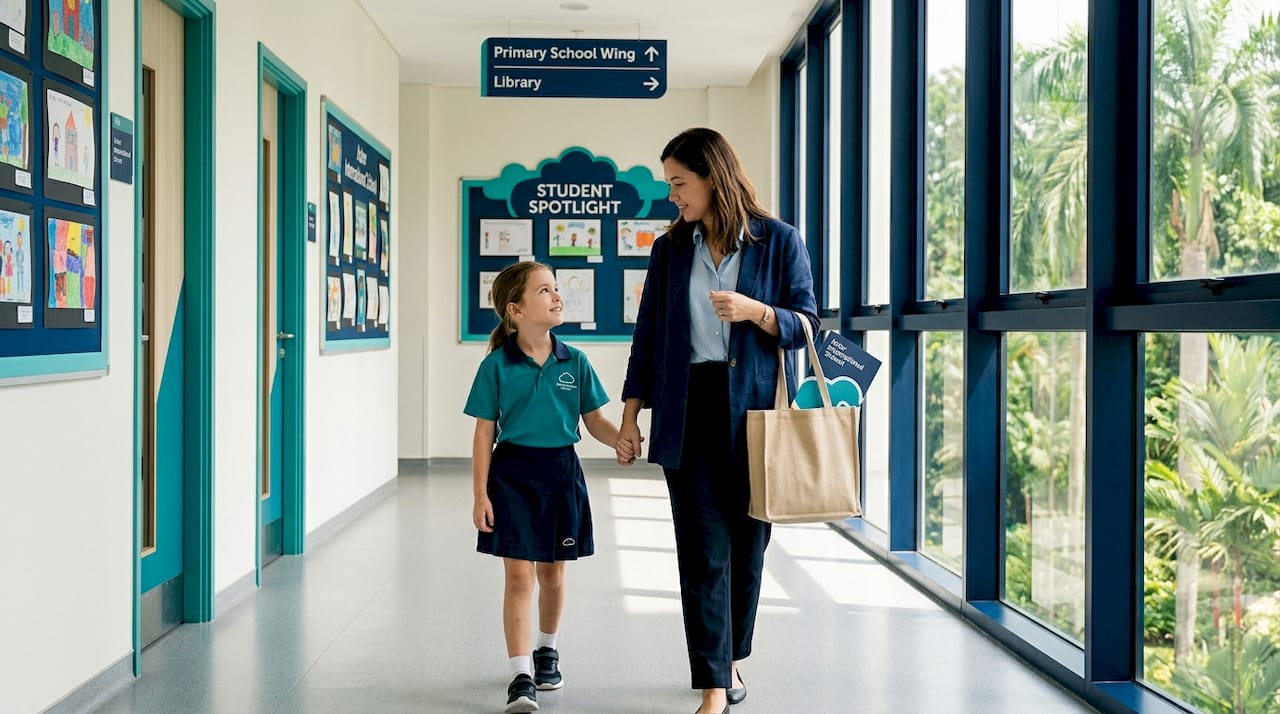
Singapore’s school market is genuinely overwhelming. With hundreds of options spanning local, international, and specialized programs, many parents struggle to know how to identify quality education beyond glossy brochures and word-of-mouth recommendations. The real challenge is that quality is not one single thing. It shows up in the texture of daily classroom life, in how teachers respond to a struggling child, and in how confidently your son or daughter walks through the door each morning. This guide cuts through the noise and gives you specific, practical criteria to evaluate any school with clarity and confidence.
Table of Contents
Key Takeaways
Point | Details |
Look beyond rankings | School rankings rarely reflect daily learning quality, culture, or fit for your individual child. |
Use official quality benchmarks | ECDA SPARK reports and MOE inspection data give you concrete, verified quality indicators. |
Class size matters more than ratios | Actual class size affects attention and support far more than published pupil-teacher ratios. |
Proximity shapes daily well-being | A shorter commute directly improves your child’s rest, focus, and long-term academic sustainability. |
Admission strategy requires data | Use historical balloting data to shortlist schools realistically and avoid disappointment during registration. |
How to identify quality education: the real indicators
When parents ask what the signs of quality education actually look like, most expect a checklist of credentials. The truth is richer than that. Genuine quality shows up in patterns of interaction, not just policies on paper.
Teacher qualifications and engagement are the most consistent quality education indicators available to you. Look for teachers who hold relevant degrees and ongoing professional development certifications. More telling is how they interact with children during open houses or trial lessons. Do they ask questions that prompt thinking, or do they simply deliver information? A nurturing teacher who notices a quiet child in the corner is worth more than any credential list.
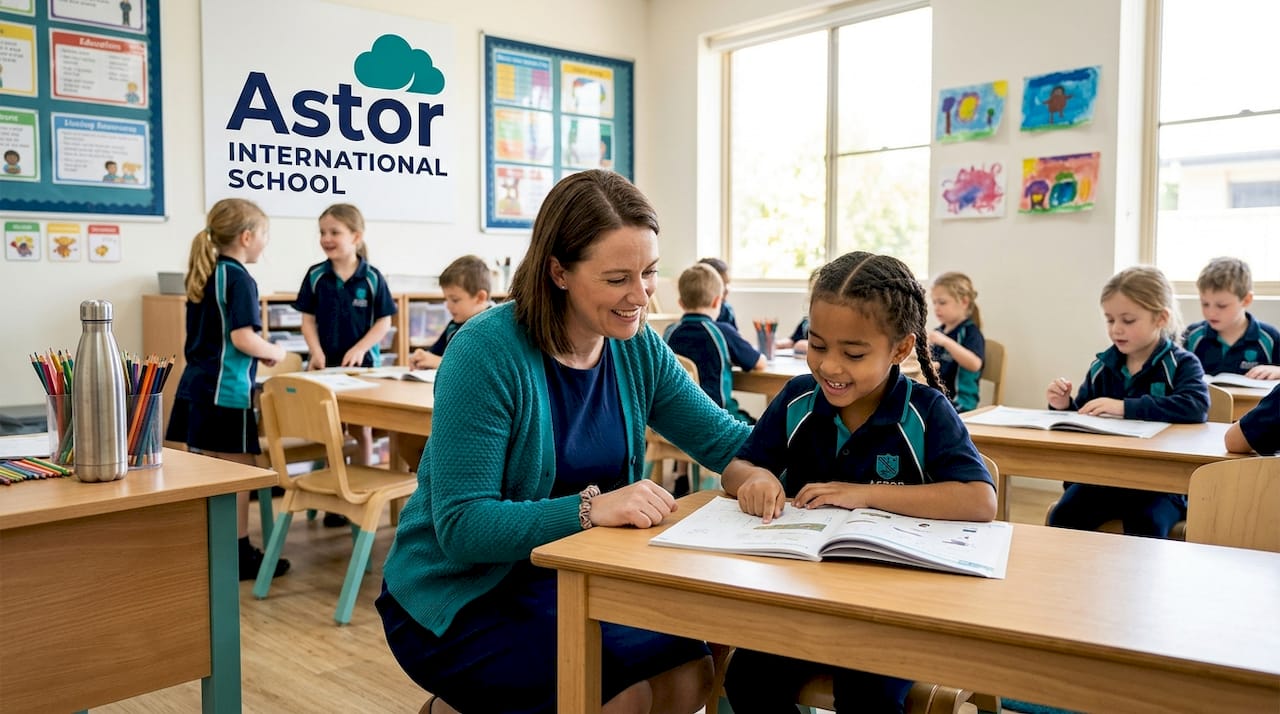
Assessment practices reveal a school’s educational philosophy immediately. Quality schools use a blend of formative assessment (ongoing feedback during learning) and summative assessment (tests and projects at the end of a unit). When a school relies exclusively on exams, it often signals a narrow view of child development. Look for portfolios, project-based work, and teacher observations as part of the assessment picture.
Curriculum alignment and interdisciplinary connections are another reliable signal. A well-designed curriculum links subjects together so children understand how knowledge connects. A primary school that links a science unit on ecosystems to a writing project, for example, is teaching children how to think across disciplines. This kind of integration builds curiosity and deeper understanding.
Learning environment and safety should be assessed during a visit. Classrooms should be organized, stimulating, and feel welcoming rather than institutional. Outdoor spaces, libraries, and resource areas speak to how much the school invests in the whole child.
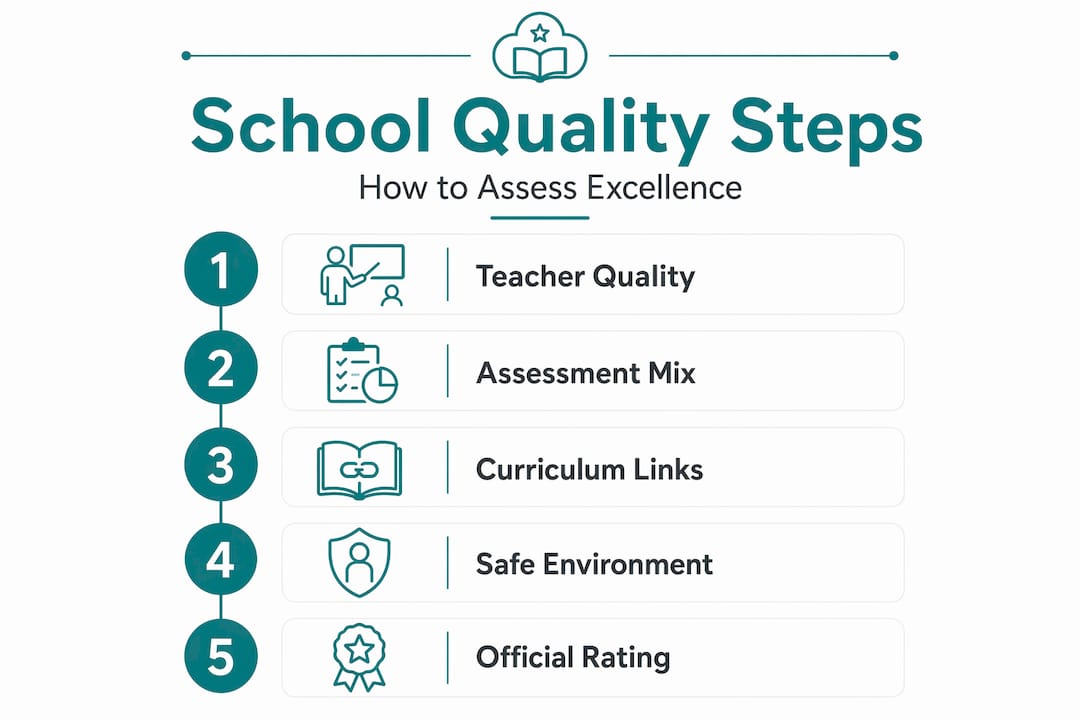
ECDA SPARK ratings are Singapore’s official benchmarking tool for preschool and childcare centers, covering domains like curriculum quality, teacher qualifications, leadership, safety, and parent communication. Reading a center’s inspection report takes about twenty minutes and gives you genuine insight into what evaluators found on the ground.
Pro Tip: When you visit a school, ask the principal what they do when a child falls behind academically. The answer tells you far more about educational values than any marketing material.
Navigating Singapore’s school admission process
Understanding Singapore’s admission process is itself a form of measuring education quality because it forces you to think practically about access, not just aspiration.
The MOE Primary 1 Registration uses a six-phase system with strict priority tiers based on family ties and proximity to the school. Here is what that looks like in practice:
Phase 1 reserves places for children whose siblings already attend the school. If you have an older child enrolled, your younger child benefits significantly.
Phase 2A prioritizes children of alumni, staff, and management committee members. Joining a school’s parent support group often qualifies families for this phase.
Phase 2B is for children whose parents have volunteered at least 40 hours at the school or are active community leaders connected to it.
Phase 2C is the open ballot phase, where distance is the deciding factor. Children within 1 km receive the highest priority, followed by those 1 to 2 km away, then beyond 2 km.
Phase 2C Supplementary and Phase 3 handle remaining vacancies and international students respectively.
A practical reality many parents underestimate: schools that have balloted in 4 out of the last 5 years for Phase 2C are high-risk choices unless you live very close by. Using historical data to shortlist schools is not pessimistic. It is realistic planning that prevents last-minute scrambles.
Class size deserves special attention here. Published pupil-teacher ratios in Singapore often include non-classroom staff, making them misleading. Average primary school class sizes in Singapore sit around 33 students, compared to roughly 22 in other top-performing countries. A school with smaller actual class sizes offers more individualized attention and is a genuine quality education indicator worth investigating directly during your visit. Learning how to assess class size benefits can completely change how you evaluate a shortlist.
Balancing academics with culture and your child’s fit
This is the section most parents skip, and it is the one that matters most after the basics are confirmed.
Global rankings such as PISA do not capture the full range of what educational success means for an individual child. Singapore parents frequently over-focus on exam scores, even though school culture, pastoral care, and fit to your child’s learning style and personality are equally important quality education indicators for long-term growth.
Consider these when evaluating school culture:
School visits and open houses: Watch how teachers interact with children when they think no one is evaluating them. Warmth and patience in those unguarded moments reveal genuine culture.
Co-curricular activities (CCAs): A school with a rich CCA program signals that it values the whole child. Match these offerings to your child’s interests and strengths.
Applied Learning Programs (ALPs): These specialized enrichment tracks give academically curious children deeper exposure to areas like science, coding, or the arts. Their presence is a signal of a school’s commitment to meaningful learning.
Pastoral care and student well-being: Ask specifically what support systems exist for children going through social or emotional difficulties. Schools with counselors, peer support programs, and structured check-ins take well-being seriously.
A child who is naturally creative and thrives with hands-on projects will wilt in a highly exam-driven environment, regardless of that school’s PSLE aggregate. Conversely, a highly analytical child might find an arts-centered school frustrating. Fit is not a soft consideration. It is a core factor in measuring education quality for your specific child.
“The best learning happens when every child is truly seen and supported.” This is not a marketing phrase. It is the standard you should hold every school to before enrolling.
A step-by-step process to assess any school
Here is a clear process you can follow whether you are evaluating a preschool in Holland Village or a primary school in Tanglin.
Gather baseline information. Start with official sources: ECDA SPARK reports for preschools, MOE school profiles, and inspection summaries. These take thirty minutes to review and give you a verified starting point.
Shortlist using data, not reputation. Use historical Phase 2C balloting data to identify realistic options. Factor in distance from your home. A school two kilometers away with consistent balloting is a gamble. A school nearby with strong inspection results is a solid choice. Review Singapore’s primary school curriculum to understand what quality looks like at each level.
Visit your shortlist. Book school tours or open houses for your top three to five options. Bring specific questions about class sizes, assessment methods, pastoral care, and how teachers handle learning differences.
Evaluate the learning environment in person. Look at classroom organization, the quality of resources, and whether children seem engaged and comfortable. These observations take minutes but carry significant weight.
Match program offerings to your child’s needs. Compare ALPs, CCAs, and support programs against what you know about your child’s learning style and temperament. Use the tips in this international school selection guide if you are considering international options.
Plan your registration priorities realistically. Based on your distance from each school and historical balloting data, rank your options with a clear primary choice and at least one safe backup.
Support your child after enrollment. Selecting the right school is only part of the equation. Staying engaged with your child’s learning, communicating with teachers, and nurturing confidence at home all contribute to outcomes. Supporting your child’s learning beyond school hours makes a measurable difference.
Assessment factor | What to look for | Where to find it |
Official quality rating | ECDA SPARK level or MOE inspection outcome | ECDA website, school directly |
Actual class size | Number of students per classroom teacher | Ask the school directly during visit |
Curriculum type | IPC, MOE, or specialized program | School website, open house materials |
Pastoral care | Counselors, well-being programs, peer support | Ask principal or school staff |
Distance and admission phase | Proximity tier for Phase 2C balloting | psle.fyi or MOE registration data |
Pro Tip: Bring your child to at least one school visit if they are old enough. Their comfort level in the space, and how the staff respond to them, gives you information no inspection report can.
My honest take on what parents miss
I have watched many families spend months obsessing over PSLE aggregates and school rankings, then enroll their child somewhere prestigious only to watch that child struggle socially, lose motivation, or face a punishing commute every single day. Rankings measure one narrow slice of output. They do not measure whether your child will feel safe, seen, or genuinely curious when they walk into class.
The impact of commute time is the most consistently overlooked factor I see. A 90-minute round trip versus a 20-minute one compounds across five years. That is thousands of hours of rest, play, and family connection that your child either has or does not have. Proximity is not a consolation prize. It is a quality-of-life decision.
The families I have seen make the most confident, satisfied school choices are the ones who treat quality education as fit rather than prestige. They ask, “Is this school good for this child?” not “Is this school impressive?” That shift in framing changes everything. When your child is engaged, motivated, and comfortable in their learning environment, the outcomes follow naturally. No ranking table can show you that in advance.
— Elena
Discover what quality education looks like at Astor
At Astor International School in Singapore’s Tanglin area, quality education is built into every classroom decision. With small class sizes and the internationally recognized International Primary Curriculum, Astor has earned recognition as both the Best Small School and the Best Affordable International School in Singapore. Every child benefits from personalized attention, a nurturing environment, and a curriculum that connects learning to the real world. For younger children aged 1.5 and up, Astor International Preschool in Holland Village offers a warm blend of outdoor and classroom learning across two dedicated play spaces. Explore Astor’s holistic learning approach to see what a truly quality education feels like for your family.
FAQ
What are the main signs of quality education?
Signs of quality education include qualified and engaged teachers, balanced assessment methods, smaller class sizes, clear curriculum structure, strong pastoral care, and a school culture that supports each child’s individual needs.
How do I use ECDA SPARK ratings to evaluate a preschool?
ECDA SPARK inspection reports are publicly available and cover curriculum quality, teacher qualifications, safety, and parent communication. Reading the narrative comments, not just the rating level, tells you where a center excels and where it has room to grow.
Does class size really affect education quality in Singapore?
Yes. Average class sizes in Singapore primary schools run around 33 students, which is higher than many comparable countries. Smaller actual class sizes give teachers more time with each child, which directly affects learning quality and student confidence.
How should I think about school rankings when choosing a primary school?
Rankings reflect aggregate exam performance and do not capture culture, pastoral care, or fit for your child’s learning style. Parents who prioritize school fit over rankings consistently report higher satisfaction with their choice.
When should I start evaluating schools for my child in Singapore?
For Primary 1 registration, most families begin researching eighteen to twenty-four months in advance to allow time for volunteering, open house visits, and realistic shortlisting using Phase 2C balloting data.
Recommended
Comments