


Why Small Schools Excel in Singapore: Advantages of Small Schools
Choosing the right school for your child is a big decision. In Singapore, many families look for schools that offer quality education and a supportive environment. Small schools often provide unique benefits that larger institutions may not. I want to share why small schools excel in Singapore and how they can be a great fit for your child’s education.
Advantages of Small Schools in Singapore
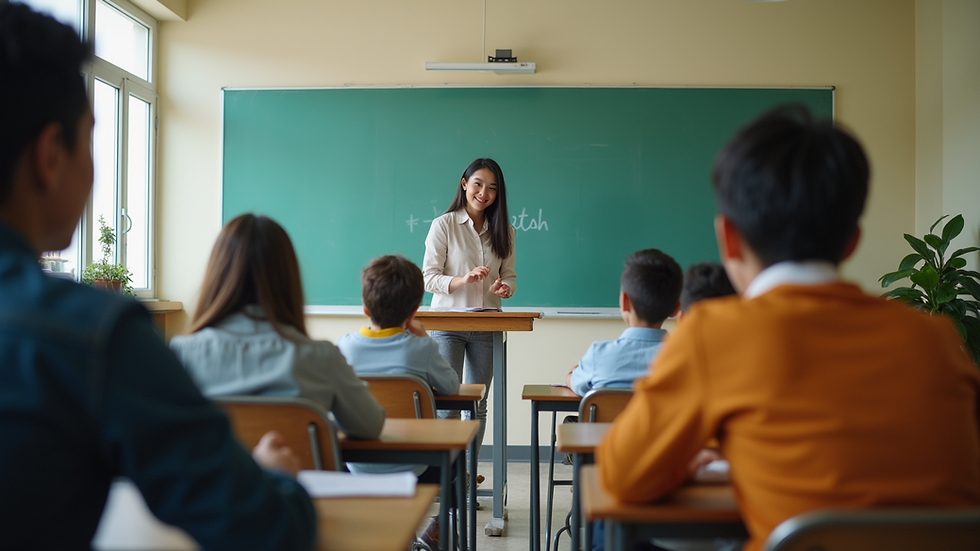
Small schools have several advantages that make them stand out. One key benefit is the close-knit community they create. With fewer students, teachers can give more individual attention. This helps students feel valued and supported. Teachers know each child’s strengths and challenges, allowing them to tailor lessons effectively.
Another advantage is the personalized learning experience. Small schools can adapt their teaching methods to suit different learning styles. This flexibility helps students stay engaged and motivated. For example, a teacher might use hands-on activities for one student and reading exercises for another.
Small schools also foster strong relationships between students and staff. This connection builds trust and encourages open communication. Students feel comfortable asking questions and seeking help. Parents also benefit from this close relationship, as they can easily communicate with teachers about their child’s progress.
In addition, small schools often have a safe and nurturing environment. With fewer students, it is easier to monitor behavior and address issues quickly. This creates a positive atmosphere where students can focus on learning without distractions.
How Small Schools Support Holistic Development
Education is not just about academics. Small schools in Singapore emphasize the holistic development of each child. They encourage participation in sports, arts, and community activities. This well-rounded approach helps students develop social skills, creativity, and physical fitness.
For example, a small school might organize regular field trips or cultural events that allow students to explore new interests. Teachers can also provide more guidance in extracurricular activities because they know each student personally.
Small schools often promote leadership opportunities. With fewer students, there are more chances to take on roles like class monitor or club leader. These experiences build confidence and responsibility.
Moreover, small schools tend to have flexible schedules. This flexibility allows for more project-based learning and group work. Students learn to collaborate and solve problems together, skills that are essential for future success.

What is the Best Local School in Singapore?
When looking for the best local school in Singapore, many factors come into play. Academic results, school culture, and facilities are important. However, the best school for your child depends on their individual needs and personality.
Small schools often rank highly because of their personalized approach. They provide a supportive environment where students can thrive academically and socially. If you want a school that feels like a community and offers tailored learning, a small school might be the best choice.
For families seeking affordable international primary education, it is worth exploring options that combine quality with a close-knit setting. The best small school singapore offers this balance, focusing on nurturing well-rounded global citizens.
Practical Tips for Choosing a Small School
If you are considering a small school, here are some practical tips to help you decide:
Visit the school - Take a tour to see the facilities and meet the teachers. Observe how students interact and how the staff supports them.
Ask about class sizes - Smaller classes mean more attention for your child.
Check the curriculum - Ensure it matches your child’s learning needs and future goals.
Inquire about extracurricular activities - A variety of options helps with holistic development.
Talk to other parents - Their experiences can provide valuable insights.
Consider location and transport - Convenience matters for daily routines.
By following these steps, you can find a small school that fits your family’s needs and supports your child’s growth.
Why Personalized Learning Matters
Personalized learning is a key strength of small schools. It means education is tailored to each student’s pace and style. This approach helps students understand concepts better and retain information longer.
In a small school, teachers can spend more time with each student. They can identify areas where a child struggles and provide extra help. This reduces frustration and builds confidence.
Personalized learning also encourages students to take ownership of their education. They set goals and track their progress with teacher support. This active involvement makes learning more meaningful.
For expatriate families, personalized learning can ease the transition to a new education system. Teachers can address language barriers and cultural differences sensitively.
Building a Strong Community Feel
One of the most appealing aspects of small schools is the strong sense of community. Students, teachers, and parents often know each other well. This creates a supportive network that benefits everyone.
In a small school, events like parent-teacher meetings, school fairs, and celebrations are more intimate. This fosters connections and encourages collaboration.
A strong community feel also helps students develop social skills. They learn to work with others, resolve conflicts, and show empathy. These skills are essential for life beyond school.
Parents appreciate being part of a community where their voices are heard. They can contribute to school activities and support their child’s learning journey.
Final Thoughts on Small Schools in Singapore
Small schools in Singapore offer many advantages. They provide personalized learning, a safe environment, and a strong community. These factors help students succeed academically and develop important life skills.
If you want your child to benefit from a close-knit school with affordable international education, consider exploring small schools. They can offer a unique and enriching experience that larger schools may not provide.
Choosing the right school is about finding the best fit for your child’s needs. Small schools excel in creating an environment where every student can thrive and grow into a confident global citizen.
Comments