


What is individualized learning? A guide for Singapore parents
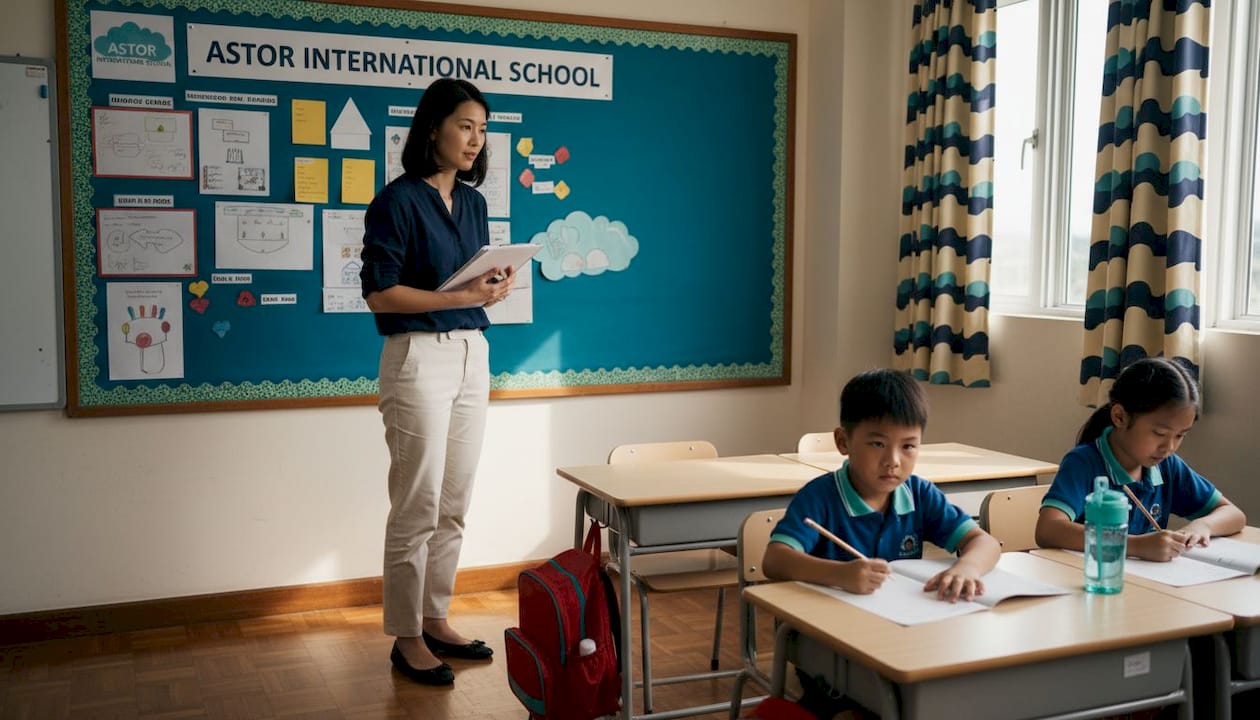
Every child in your child’s class is different. Yet most Singapore classrooms still move at a single, fixed pace, expecting every student to grasp the same concept at the same time. If your child races ahead easily, or struggles to keep up, the standard classroom rhythm may not be serving them well. Individualized learning is mainly about adjusting the pace so each learner can progress based on mastery rather than fixed time. In this guide, you’ll discover what that really means, how it compares to other popular approaches, and what the evidence says about its impact for children in Singapore.
Table of Contents
Key Takeaways
Point | Details |
Learning at your child’s pace | Individualized learning lets each child progress based on mastery instead of age or grade. |
Not all approaches are equal | Individualized, personalized, and differentiated learning have key differences every parent should understand. |
Evidence is promising but mixed | Research shows potential benefits for academic performance, but results depend on context and implementation. |
Practicality matters most | Look for schools using flexible groupings and strong routines, not just educational technology buzzwords. |
Questions to ask schools | Ask how schools assess and adjust for your child’s progress—this reveals how individualized their learning truly is. |
What is individualized learning?
Individualized learning is an educational approach where the pace of instruction adapts to each student’s readiness. It is not simply about giving every child one-on-one lessons all day. Rather, a teacher or school system monitors how well each student has understood a concept before deciding when to move forward. The focus is firmly on mastery: your child advances when they truly understand the material, not just because the calendar says it’s time to move on.
Think of it this way. In a traditional class, a teacher might spend two weeks on fractions and then move the entire class on to decimals, regardless of who is ready. In an individualized classroom, a child who has clearly mastered fractions moves ahead, while a child who needs more practice gets it before moving to the next topic. This removes the pressure of keeping pace with peers and replaces it with the confidence of genuine understanding.
“Individualized learning focuses on adjusting when students receive learning activities so they move on only after demonstrating mastery.”
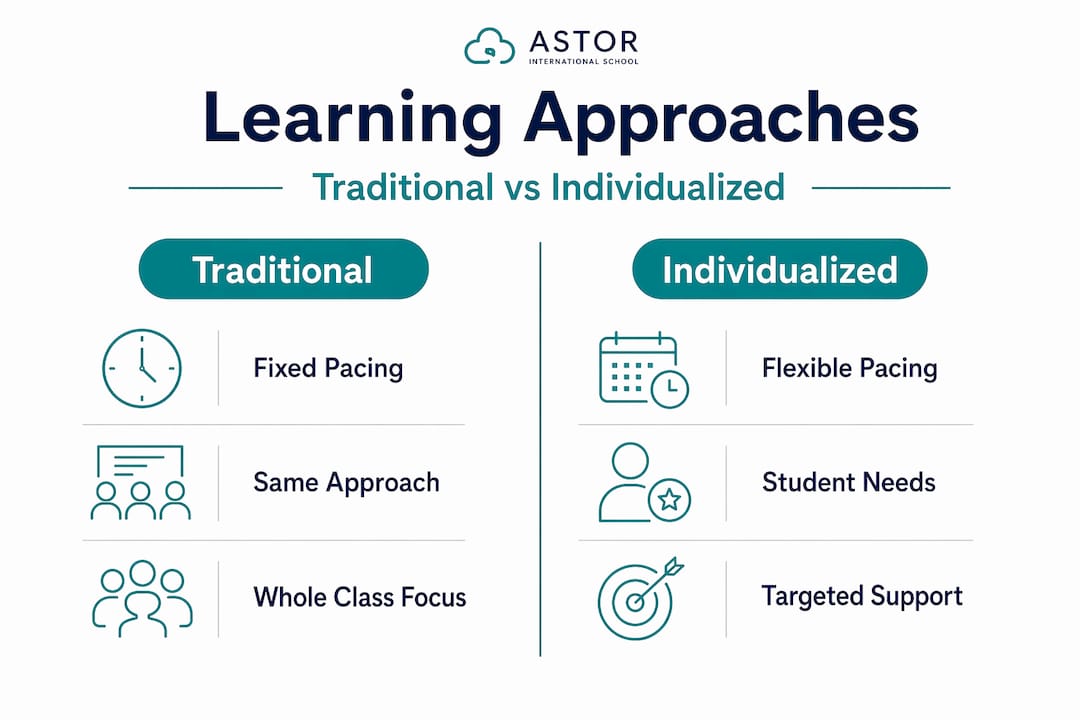
It’s also worth understanding what individualized learning does not change. Content is often the same for everyone. The teaching method may be consistent across the class. What shifts is the timeline and the checkpoints along the way.
Factor | Traditional teaching | Individualized learning |
Pacing | Fixed, teacher-led | Flexible, student-readiness led |
Content | Same for all | Often the same |
Progression | Calendar-based | Mastery-based |
Assessment | Summative (end of unit) | Ongoing (formative) |
Teacher role | Instructor to whole class | Monitor and coach per student |
Good classroom learning strategies almost always include elements of this monitoring and adjustment. Now that you understand individualized learning is more than just teaching every child alone, let’s clarify how it’s different from other approaches often discussed in Singapore.
Individualized, personalized, and differentiated: What’s the difference?
These three terms are used almost interchangeably in school brochures and parent forums, but they describe meaningfully different things. Getting clear on each helps you ask better questions when evaluating a school.
Personalized learning is the broadest of the three. It means optimizing both pace and instructional approach, with objectives, content sequencing, and teaching methods varying based on individual learner needs, interests, and goals. Personalized learning might see one child learning through project-based work while another uses visual tools, even if they’re studying the same topic.
Differentiated instruction sits closer to the traditional classroom. Research from NTU’s National Institute of Education describes it as teachers modifying activities based on readiness, student interests, and learning profiles. A teacher might present the same maths lesson using three different activity levels. The challenge is that differentiated instruction can be difficult in large classes where one teacher manages 30 or more students simultaneously.
Individualized learning, as described above, focuses specifically on adjusting pace. Same goals, same content for most students, but different timelines based on demonstrated understanding.
Approach | What changes | Who drives it | Works best in |
Individualized | Pace and timing | Student readiness | Small and structured classes |
Personalized | Pace, content, method | Student needs and interests | Technology-supported or small-group settings |
Differentiated | Activities and tasks | Teacher judgment | Any class with strong planning |
Here’s what you should actively look for or ask about when assessing a school’s approach:
How does the school track each child’s progress throughout the term, not just at report card time?
Are students grouped flexibly based on their current level, or are they locked into fixed groups all year?
How does a teacher adjust the next lesson if a child hasn’t mastered the previous one?
Is homework personalized to reinforce individual gaps, or is it the same worksheet for all?
How frequently do parents receive feedback on specific learning milestones, not just grades?
Pro Tip: Ask to see a sample progress report or formative assessment sheet. Schools that truly practice individualized or personalised learning at Astor and similar institutions use these tools regularly. If a school can only show you one end-of-term grade, their approach is likely still traditional. True differentiated learning leaves a trail of evidence in frequent, specific feedback.
Now that you can spot the differences, let’s explore how individualized learning is actually put into practice and the role technology increasingly plays.
How individualized learning works in real classrooms
Understanding the theory is one thing. Seeing how it actually unfolds in a classroom is what helps parents make confident decisions. The process typically follows a clear, repeating cycle that teachers and schools use to keep each child’s learning moving forward.
Baseline assessment: At the start of a unit or term, teachers conduct a simple check to see what each child already knows. This could be a short quiz, a classroom discussion, or an observation during activity time.
Flexible grouping: Based on assessment results, students are placed into temporary groups. These are not fixed ability groups. A child might be in a higher group for reading and a foundational group for numeracy at the same time.
Targeted instruction: Each group receives instruction suited to where they are. One group might explore an advanced concept while another practices foundational skills with more teacher support.
Mastery check: Before moving forward, a quick formative check confirms whether understanding is solid. This could be a short task, a question-and-answer session, or an observation of independent work.
Pace adjustment: Children who have demonstrated mastery progress. Those who haven’t receive more practice, a different explanation, or a different format for the same concept before the next check.
“In practice, individualized approaches often rely on ongoing assessment, flexible pathways, and data to adjust support and pacing. Teacher expertise remains the single most important factor in making this work.”
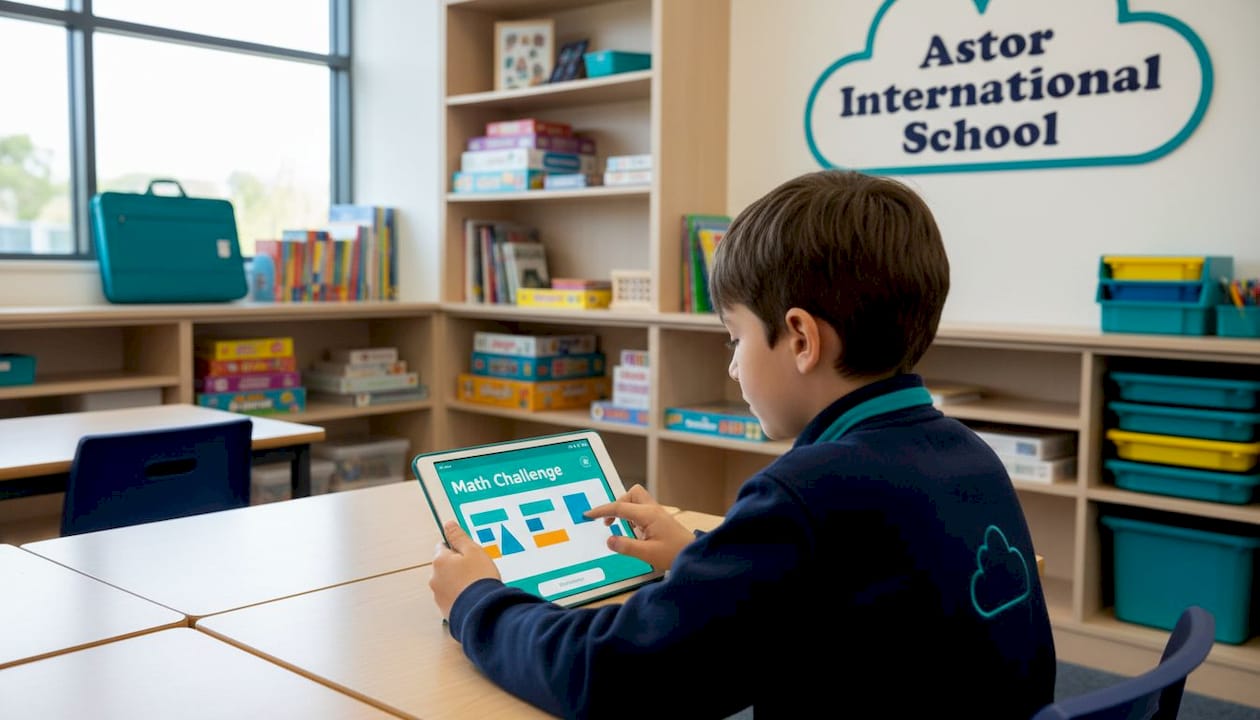
Technology can genuinely help here. The latest educational technology advancements include adaptive platforms that automatically adjust difficulty based on student responses, giving teachers real-time data to inform their grouping decisions. However, technology is a tool, not the answer in itself. A well-trained, attentive teacher using simple tools like exit tickets or observation notes can individualize effectively without a single app.
The honest reality is that class size creates barriers. NTU research confirms that large class size makes targeted interventions genuinely challenging. A teacher with 30 students has limited capacity to track, adjust, and respond to 30 individual learning timelines simultaneously. This is one reason why smaller schools and smaller class sizes create a structural advantage. When a teacher has 15 students instead of 30, the cycle above becomes far more manageable and consistent.
Pro Tip: When visiting a school, ask directly: “How often does my child’s group placement change, and what triggers that change?” The answer will tell you a great deal. A school with a genuine individualized approach can describe a specific, regular process. You can also explore how schools support your child’s learning beyond classroom hours. Understanding small class learning in Singapore also helps set realistic expectations for what’s possible.
With the “how” of individualized learning clear, the next logical question is whether it truly works and for whom.
Does individualized learning work? Evidence and challenges
Parents deserve an honest answer here, not a sales pitch. The evidence is genuinely encouraging in some areas and more cautious in others.
Research-backed benefits include:
Improvements in academic performance, particularly in literacy and mathematics, when mastery-based pacing is consistently applied
Greater flexibility to support children who are advanced as well as those who need more time, without labeling either group negatively
Improved attitudes toward learning, with students feeling more in control of their own progress
Better use of assessment data to target teacher energy where it is most needed
Real concerns worth knowing:
Long-term effects on non-academic skills such as collaboration, self-regulation, and motivation are not always confirmed by research
Equity is a genuine issue. Not all students benefit equally, particularly those without strong home support or access to technology
Scalability is difficult. What works in a small, well-resourced school doesn’t automatically translate to every classroom
Results vary widely depending on how well teachers are trained to use formative data
On the technology side, a recent meta-analysis found that AI in personalized STEM learning produces a medium effect size overall, with outcomes varying based on school level and the specific tool used. That’s meaningful progress, but it also signals that technology alone is not a guaranteed solution.
What this means for you as a Singapore parent is that context matters enormously. The benefits of individualized learning are most consistently seen when class sizes are manageable, teachers are well-trained in formative assessment, and the school has built routines that make regular review and regrouping a normal part of the day rather than an occasional event. Exploring how technology in education is thoughtfully integrated, alongside inquiry-based learning approaches, often signals a school that takes evidence seriously.
Our perspective: What Singapore parents should hear about individualized learning
Here is something not every school will say out loud: most parents searching for individualized learning imagine their child receiving constant, dedicated one-on-one attention all day. That is an understandable image, and it’s easy for marketing language to encourage it. But it is not how effective individualized learning actually works in practice, even in the best schools.
The reality is that structured grouping, strong routines, and targeted interventions are what make individualization feasible and sustainable for Singapore children. A teacher who reviews formative data every week and adjusts group compositions accordingly is doing more for your child than one who promises constant personal attention but has no system behind it.
This means the most important questions to ask a school are not about technology, facilities, or even curriculum labels. They are: “How do your teachers use assessment data to change what they do next week?” and “What happens when my child doesn’t understand something the first time?” The answers reveal whether individualized learning is a genuine practice or simply a phrase on a brochure.
Don’t be won over purely by technology platforms or impressive-sounding program names. Real, sustained change in your child’s learning happens when teachers have time to notice, capacity to respond, and tools that support rather than replace their professional judgment. That’s why smaller schools with genuinely small class sizes have a structural advantage that no software can fully replicate.
We also encourage you to explore how the Singapore primary school curriculum aligns with individualized approaches, and to understand specifically what the benefits of small class sizes look like in practice, beyond the marketing claims. The best learning happens when every child is truly seen and supported, and that requires both the right philosophy and the right conditions.
Pro Tip: Ask a prospective school to walk you through a real example of how they identified a child who was falling behind or racing ahead, and what they actually did about it. Concrete stories reveal practice. Vague promises reveal intentions only.
Explore individualized learning at Astor International School
At Astor International School, individualized learning is not a buzzword. It’s a daily commitment that is made possible by small class sizes and a teaching team trained to use formative assessment meaningfully.
Astor has been recognized as the best small school in Singapore and the best affordable international school in Singapore, awards that reflect a genuine focus on personal attention for every child aged 5 to 12. Our IPC curriculum is designed to allow flexible pacing and meaningful inquiry, and our Astor’s learning approach puts student readiness at the center of every decision. We warmly invite you to visit us, ask the hard questions, and see our curriculum in action. When you’re ready to explore what truly personalized, individualized education looks like for your child, we’re here to show you.
Frequently asked questions
Is individualized learning only possible in small class sizes?
While easier in small groups, individualized strategies like grouping and routine reviews can work in larger Singapore classrooms with strong planning. That said, constraints like class size do make meaningful adjustments significantly harder to sustain consistently.
Does individualized learning use a lot of technology?
Many programs use assessment tools and data platforms, but good individualized learning focuses more on teaching practices than on gadgets. Strong teaching strategy remains far more important than the specific technology a school uses.
Can individualized learning boost my child’s grades?
Research shows possible improvements in academic performance in some subjects, particularly literacy and mathematics. However, long-term and non-academic effects vary and need more study before strong conclusions can be drawn.
What’s the main difference between individualized and personalized learning?
Individualized learning adjusts pacing so students advance only after demonstrating mastery, while personalized learning is broader, adjusting pacing, content, and teaching method based on the full range of student needs and interests.
Recommended

Comments