


Singapore School Enrollment Guide for Parents in 2026
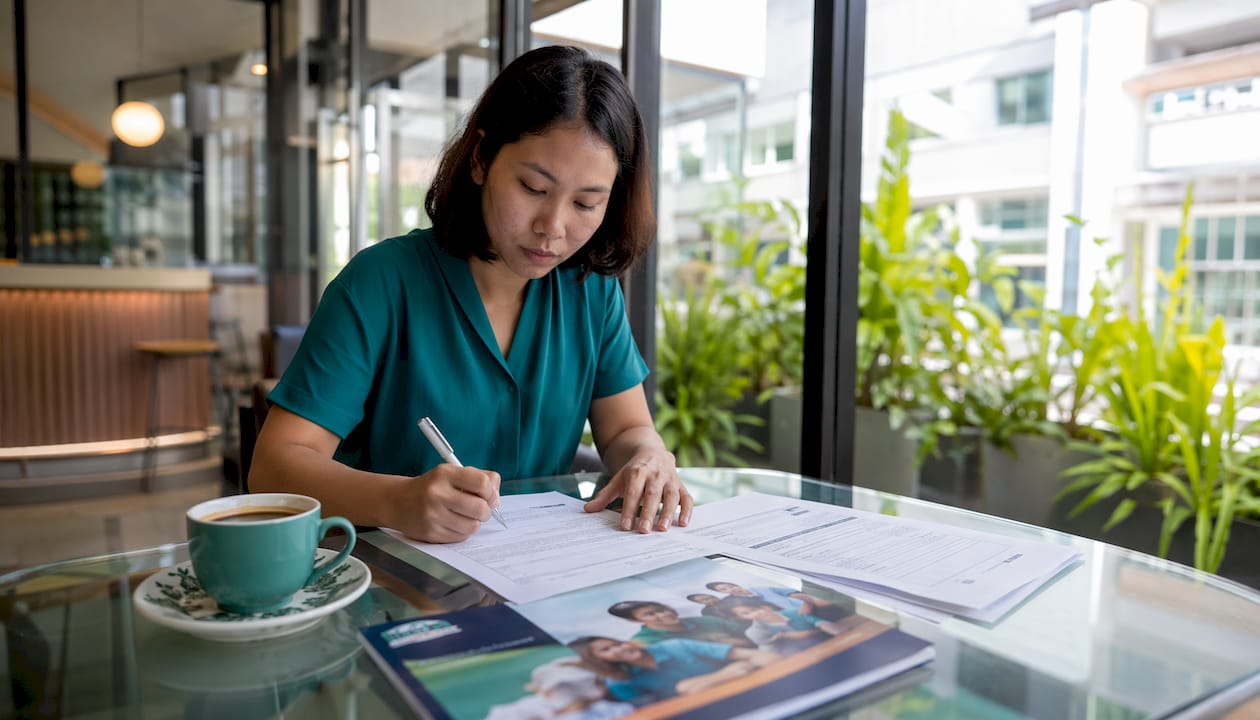
A school enrollment guide is the essential roadmap for registering your child in a Singapore school, covering timelines, documentation, and the right school type for ages 1.5 to 12. Singapore offers two distinct pathways: government schools regulated by the Ministry of Education (MOE) and international schools with rolling admissions. Each path has its own rules, deadlines, and requirements. Getting this right means starting early, knowing which documents to prepare, and understanding how your family’s visa status shapes your options. This guide covers both pathways so you can move forward with confidence.
What schooling options are available for young children in Singapore?
Singapore’s education system divides into government schools and international schools, and the right fit depends on your child’s age, nationality, and your family’s plans in the country.
Government schools follow the MOE curriculum and are primarily designed for Singapore citizens and permanent residents. Foreign children can apply through the Admissions Exercise for International Students (AEIS), a standardized exam that tests English and Math. Government schools offer a rigorous academic environment and are significantly more affordable than international options.
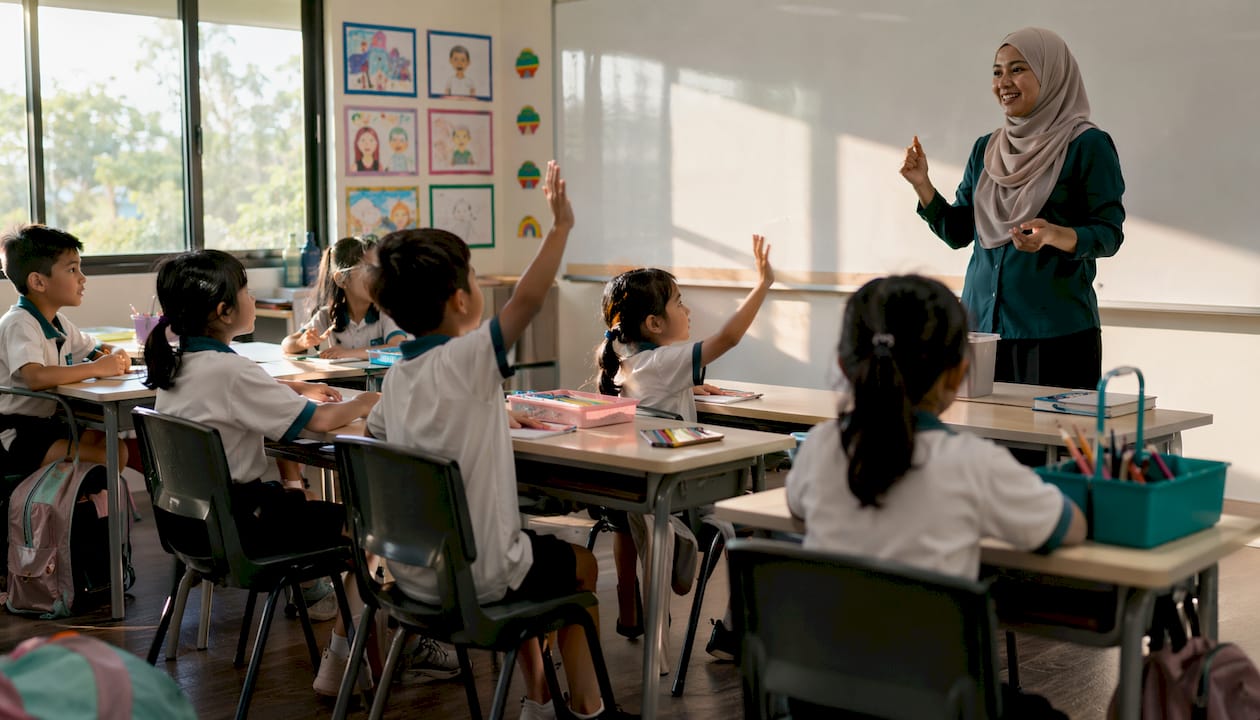
International schools serve the expat community and accept children from age 1.5 through secondary level. They offer a range of curricula, including the International Baccalaureate (IB), British National Curriculum, and American Common Core. Class sizes tend to be smaller, and the admissions process is more flexible. You can read more about curriculum differences to help you decide which system fits your child best.
Preschool options for children aged 1.5 to 6 include both local childcare centers and international preschools. International preschools blend structured play, outdoor learning, and early literacy in English. Edu’s preschool in the Holland area, for example, features two playgrounds and a mix of outdoor and classroom learning for this age group.
Special Education (SPED) schools are available for children with specific learning needs and are managed under MOE’s framework. Families should contact MOE directly to assess eligibility and placement options.
What are the key timelines for enrolling in government schools?
Government school enrollment follows a strict calendar. Missing a window means waiting months or longer for the next opportunity. This is the single most important thing expat parents need to understand.
Primary 1 registration phases
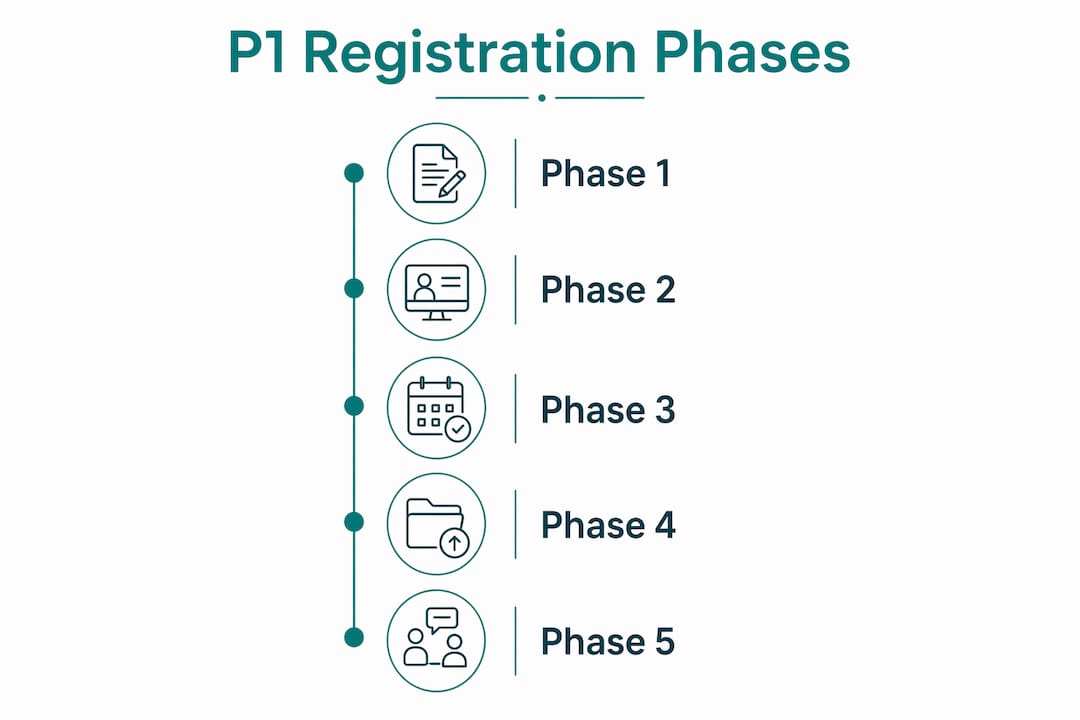
MOE’s Primary 1 (P1) registration runs in phases, each prioritizing different groups. Citizens with siblings already enrolled go first, followed by children of MOE staff, then citizens without prior school ties, and finally permanent residents and international students. International students must submit an Indication of Interest form between May 19 and May 25, 2026, with Phase 3 registration opening in october 2026 only if vacancies remain after citizens and PRs are placed.
AEIS and S-AEIS exam windows
For children entering Primary 2 through Secondary 4, the AEIS exam is the gateway to government school placement. AEIS registration opens around july, with exams held in mid-september. The S-AEIS (Supplementary AEIS) runs in early year for families who missed the main window. Both close once capacity is reached, so AEIS registration timing is non-negotiable. The exam covers English and Math, and preparation should begin 6–12 months in advance given the curriculum’s rigor.
Milestone | Approximate Date |
P1 Indication of Interest (international students) | May 19–25, 2026 |
AEIS registration opens | July 2026 |
AEIS exams held | Mid-september 2026 |
P1 Phase 3 registration | October 2026 |
S-AEIS (supplementary window) | Early 2027 |
Pro Tip: Start document preparation at least three months before any registration window. Birth certificates and transcripts from non-English-speaking countries often require official translation and notarization, and delays here are the most common reason families miss deadlines.
How to navigate international school enrollment in Singapore
International schools use rolling admissions, which sounds flexible but requires just as much planning as government schools. Popular year groups fill quickly, and the best schools often have waitlists stretching months.
Application timing
Most international schools recommend applying 6–12 months before entry, with competitive schools advising 12–18 months lead time. For an august intake, many schools finalize offers between january and march. Applying to multiple schools simultaneously is a sound strategy, especially if your preferred school has a waitlist.
What documents you need
The standard school admission checklist for international schools includes:
Passports of the child and both parents
Two years of academic reports or transcripts
Recent passport-sized photographs
Immunization records per Singapore Health Ministry guidelines
Educational psychologist reports, if applicable
Completed application form and non-refundable registration fee
Assessments by age group
Most international schools conduct age-appropriate assessments before confirming a place. For children under 6, this is typically a short play-based observation. For primary-aged children (6–12), expect a short English and Math assessment, sometimes accompanied by a brief interview. Preparation is light for younger children but more structured for upper primary. Campus visits and pre-application counseling improve admission success by helping families demonstrate genuine interest and curriculum fit.
Student Pass requirements
Your child’s visa status determines the enrollment path. Children holding a Dependant’s Pass linked to a parent’s Employment Pass can enroll directly in international schools without a separate Student’s Pass. Children without a Dependant’s Pass must apply for a Student’s Pass after receiving a school acceptance letter. The school typically facilitates this process through the Immigration and Checkpoints Authority (ICA).
Pro Tip: Secure your child’s Dependant’s Pass before submitting school applications. Schools may ask for proof of pass status as part of the enrollment process, and delays in the pass can hold up a confirmed place.
What documentation is required for both school systems?
Preparing the right paperwork early is the single most effective way to avoid delays. The requirements differ between government and international schools, but several documents overlap.
Document | Government School (MOE) | International School |
Child’s passport | Required | Required |
Birth certificate (translated) | Required | Required |
Academic transcripts (2 years) | Required for AEIS | Required |
Immunization records | Required | Required |
Proof of residency | Required | Sometimes required |
Parent’s employment pass/visa | Required | Required |
Educational psychologist report | Not standard | If applicable |
Documents from non-English-speaking countries must be officially translated and notarized before submission to MOE. Translation and notarization delays are a leading cause of missed registration windows. Start this process as soon as you know your relocation date.
Your family’s visa status also shapes which school type you can access. Dependant’s Pass holders have the most flexibility. Families on Long-Term Visit Passes or Social Visit Passes face additional requirements and should confirm eligibility with MOE or the school’s admissions team before applying.
What are the most common enrollment mistakes and how do you avoid them?
Parents who are new to Singapore consistently make the same errors. Knowing them in advance saves significant time and stress.
Underestimating MOE’s fixed calendar. Government school enrollment does not bend for late arrivals. If you miss the AEIS window, you wait for the next cycle, which could be six months away.
Treating rolling admissions as open-door access. International school waitlists are real and can require non-refundable fees of SGD 1,000–3,500 just to hold a place. Apply early and apply to more than one school.
Delaying document preparation. Notarized translations take time. Starting this process two to three months before any deadline is the minimum.
Poor communication with admissions teams. Schools notice families who engage actively. Ask questions, attend open days, and follow up on your application status. Rolling admissions reward families who stay in contact and keep their documentation current.
Misaligning relocation timing with school start dates. Singapore’s main school year starts in january for government schools and in august or september for most international schools. Arriving in november and expecting an immediate january start requires very fast document processing.
“The families who navigate Singapore school enrollment most smoothly are the ones who treat it like a project with a timeline, not a task they handle when they arrive. Start 12 months out, build a checklist, and contact schools before you even book your flights.”
Key Takeaways
Successful school enrollment in Singapore requires early planning, accurate documentation, and a clear understanding of whether the government or international school pathway fits your family’s situation.
Point | Details |
Start early | Apply 6–18 months ahead for international schools; begin AEIS prep 6–12 months before the exam. |
Know your visa status | Dependant’s Pass holders enroll directly; others need a Student’s Pass after acceptance. |
Prepare documents first | Translations and notarizations take weeks; delays cause missed registration windows. |
Government schools follow fixed dates | MOE’s P1 and AEIS calendars do not flex; missing a window means waiting months. |
International schools use waitlists | Rolling admissions does not mean instant placement; popular year groups fill fast. |
What I’ve learned from watching families navigate Singapore enrollment
I’ve worked with dozens of families relocating to Singapore, and the pattern is always the same. The families who struggle are not the ones with complicated situations. They are the ones who assumed the process would be straightforward and started too late.
The most underrated step in the entire academic enrollment process is the campus visit. Parents often skip it to save time, but schools genuinely use it to assess fit. A child who walks into an assessment having already visited the campus is calmer, more curious, and more engaged. That matters, especially for younger children.
I also think parents put too much pressure on finding the “perfect” school before they arrive. The better approach is to identify two or three schools that match your child’s learning style and your family’s values, then apply to all of them. You can read more about how to select an international school to build that shortlist thoughtfully.
One more thing: small schools deserve more attention than they get. A school with a smaller class size often gives your child more individual attention, faster teacher relationships, and a stronger sense of belonging. For children aged 5 to 12 who are adjusting to a new country, that personal connection is not a luxury. It is what makes the difference between a child who thrives and one who just copes.
— Elena
Astor International School: enrollment support for ages 1.5 to 12
Edu’s Astor International School in the Tanglin area of Singapore offers a nurturing environment for children aged 5 to 12, with small class sizes and a personalized approach to learning. Astor has been recognized as both the best small school and the best affordable international school in Singapore. For younger children aged 1.5 to 5, Astor’s preschool in the Holland area provides a warm introduction to school life through outdoor play and structured classroom learning.
Astor’s IPC curriculum is designed to build curiosity, confidence, and a genuine love of learning from the earliest years. The admissions team is available to guide you through every step of the registration process, from your first inquiry to your child’s first day. Families are welcome to explore all courses available for children aged 1.5 to 12, or reach out directly to discuss your child’s needs and find the right fit.
FAQ
What is the difference between AEIS and S-AEIS?
AEIS is the main annual exam for foreign students seeking placement in Singapore government schools, held in mid-september. S-AEIS is a supplementary window held in early year for families who missed the main AEIS cycle.
How early should I apply to an international school in Singapore?
Most international schools recommend applying 6–12 months before your intended start date, with competitive schools advising up to 18 months in advance.
Does my child need a Student’s Pass to attend an international school?
Children on a Dependant’s Pass linked to a parent’s Employment Pass can enroll directly without a Student’s Pass. All other children must apply for a Student’s Pass after receiving a school acceptance letter.
What documents are required for the school admission checklist?
Standard documents include the child’s passport, two years of academic reports, immunization records per Singapore Health Ministry guidelines, passport photos, and proof of the parent’s visa or employment pass.
Can a child enroll mid-year in a Singapore international school?
Yes. International schools use rolling admissions and accept mid-year applications, though popular year groups may have waitlists and require a non-refundable registration fee to hold a place.
Recommended
Through this post, I know that your good knowledge in playing with all the pieces was very helpful. I notify that this is the first place where I find issues I've been searching for. You have a clever yet attractive way of writing. Zonnepanelen batterij
This is very useful post for me. This will absolutely going to help me in my project. Batterijopslag zonnepanelen
Just saying thanks will not just be sufficient, for the fantasti c lucidity in your writing. I will instantly grab your rss feed to stay informed of any updates. Zonnepanelen prijs berekenen
Nice blog and absolutely outstanding. You can do something much better but i still say this perfect.Keep trying for the best. Warmtepomp installatie
Super site! I am Loving it!! Will return once more, Im taking your food likewise, Thanks. Thuisbatterij 10 kWh