


The Role of International Mindedness in Raising Global Kids
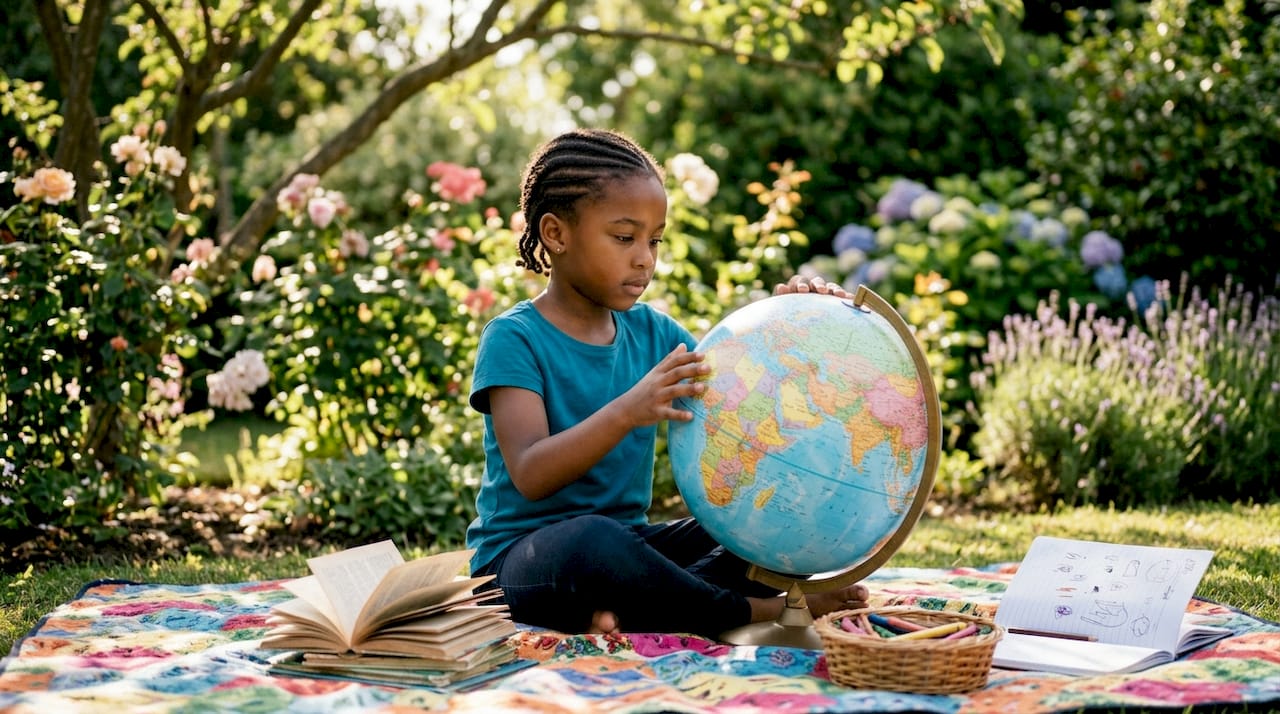
International mindedness is defined as the ability to understand, appreciate, and connect with diverse cultures and global perspectives, forming the foundation for responsible global citizenship. The role of international mindedness in your child’s development goes far beyond cultural awareness. It shapes how children think, relate to others, and engage with the world around them. Research spanning 52 countries, informed by PISA 2018 data, confirms that children with positive attitudes toward global competence are more likely to engage in meaningful global citizenship activities later in life. That finding matters for every parent raising a child in an international community.
What is the role of international mindedness in child development?
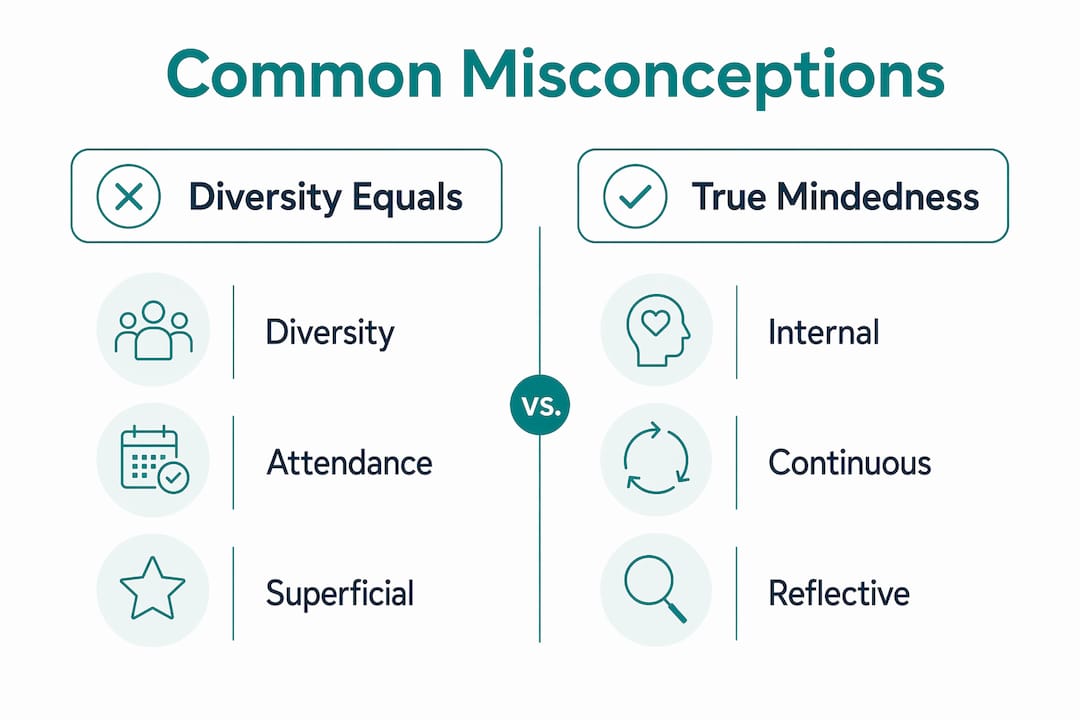
International mindedness is the internal disposition that shapes how a child sees the world. Experts from Harvard Graduate School of Education draw a clear line between this internal disposition and its outward expression through global citizenship behaviors. The distinction is important: a child can attend a diverse school and still never develop genuine cross-cultural understanding without intentional nurturing.
The IB Learner Profile and UNESCO’s Global Citizenship Education framework both treat international mindedness as a core educational goal. These frameworks define it not as a single skill but as a cluster of values, attitudes, and ways of thinking. Children who develop this mindset learn to ask questions, challenge assumptions, and see complexity as something to engage with rather than avoid.
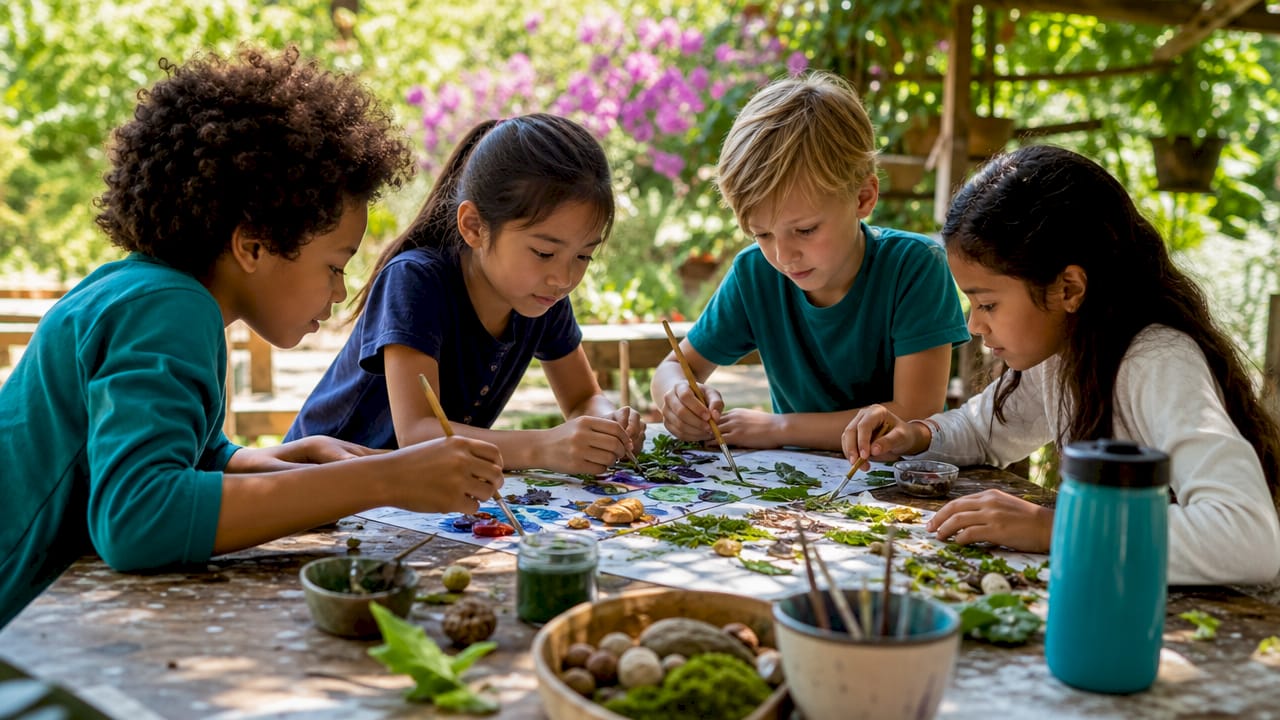
Global citizenship is the active expression of these values. International mindedness forms the foundation for global citizenship, which means it must come first. Parents who understand this sequence can make more intentional choices about how they support their child’s growth at home and at school.
How does international mindedness improve academic and social outcomes?
The impact of international education on academic performance is well documented. A study tracking over 19,000 students across six years found that classroom diversity improves performance when teachers actively facilitate cross-cultural collaboration and use a common language. That last detail matters. Diversity alone does not produce better outcomes. Teacher-led interaction does.
Children in internationally minded classrooms also develop stronger social skills. They practice empathy, learn to navigate disagreement, and build confidence in communicating across differences. These are not soft extras. The Institute of International Education notes that international education accelerates leadership development and builds soft skills like adaptability and cross-cultural communication that are recognized across industries worldwide.
UNESCO evidence shows that global citizenship education reduces conflict-prone behavior and builds stronger peace-building abilities compared to traditional curricula. Children learn to resolve disagreements through dialogue rather than avoidance or aggression. That shift in behavior starts in the classroom and carries into adult life.
Students in international classrooms also show a greater willingness to act on global environmental and social issues. Their international mindedness connects directly to proactive behavior. You can see this in how globally minded children respond to news about climate change, inequality, or humanitarian crises. They feel connected, not detached.
Stronger academic performance through structured cross-cultural collaboration
Improved empathy and conflict resolution skills supported by UNESCO research
Leadership and adaptability skills recognized across global industries
Greater likelihood of engaging in global citizenship activities in adulthood
Increased motivation to take action on environmental and social issues
What are the most common misconceptions about international mindedness?
The biggest misconception parents hold is that diversity equals international mindedness. Attending a school with 30 nationalities does not automatically produce a globally minded child. Diversity without intentional interaction leads to cultural siloing, where children spend time near other cultures without ever genuinely engaging with them.
The cultural iceberg model explains why this happens. The visible parts of culture include food, festivals, and language. These are easy to notice and celebrate. But the most critical attributes of international mindedness lie below the surface: values, beliefs, worldviews, and ways of thinking. Focusing only on what is visible produces a shallow understanding that does not hold up when real cross-cultural challenges arise.
Standalone multicultural events face the same limitation. A single international food fair or cultural dress-up day creates awareness but not understanding. Without consistent, structured engagement, these moments do not build lasting habits of thought. They are enjoyable but insufficient on their own.
Pro Tip: Ask your child after a multicultural school event what they learned about how someone from another culture thinks or solves problems, not just what food they tried. That question shifts the conversation from surface to substance.
Parents also sometimes assume that language learning alone covers the ground. Speaking another language is valuable, but international mindedness requires engaging with the worldview behind the language. A child can be fluent in Mandarin and still hold rigid assumptions about Chinese culture. Language opens a door. Curiosity and reflection are what walk through it.
How can parents nurture international mindedness at home?
Parents are the most consistent influence in a child’s life, which makes home the most powerful place to build an internationally minded foundation. The key is intentionality. Assuming diversity alone suffices is ineffective. Parents need to create regular, purposeful moments that go deeper than surface-level cultural exposure.
Make global issues part of daily conversation. Read news stories together about different countries and ask your child what they think. Frame questions around fairness, perspective, and what they would do differently. This builds the habit of thinking beyond their immediate context.
Encourage cross-cultural friendships. Playdates and friendships with children from different backgrounds create natural opportunities for genuine cultural exchange. These relationships teach children that differences in values and habits are interesting, not threatening.
Support language learning with cultural context. Pair language study with books, films, and stories from that culture. Ask questions about the characters’ choices and values, not just vocabulary. This deepens understanding beyond grammar.
Use travel purposefully. Visiting a country is more valuable when children meet local families, try unfamiliar routines, and reflect on what surprised them. Purposeful travel builds empathy in ways that tourist experiences rarely do.
Align your approach with your child’s school. Talk to teachers about what global themes the class is exploring and continue those conversations at home. Consistency between home and school is critical. Bolt-on international events have minimal long-term impact without structural embedding and home support.
Pro Tip: Keep a “global curiosity journal” with your child. Each week, pick one country or global issue to explore together. Over a school year, this builds a genuine habit of global thinking rather than occasional awareness.
The advantages of global education multiply when parents reinforce the same values at home. Children who hear consistent messages about empathy, curiosity, and cultural respect from both teachers and parents internalize those values more deeply.
What role do international schools play in building this mindset?
Schools shape international mindedness through structure, not just exposure. The most effective approach is embedding global themes across subjects rather than treating them as a separate unit or annual event. When a math class uses real-world data from different countries, or a science lesson connects to global environmental challenges, children begin to see the world as interconnected by default.
Teacher-led cross-cultural collaboration is the engine that makes diverse classrooms work. Research confirms that active teacher facilitation and the use of a common language are what convert classroom diversity into genuine learning gains. Schools that train educators in cross-cultural pedagogy produce measurably different outcomes. Resources on international teacher development highlight how educator preparation directly shapes student outcomes in globally diverse settings.
The table below shows how structural approaches differ from bolt-on ones in practice.
Approach | What it looks like | Long-term impact |
Structural embedding | Global themes woven into every subject | Deep, lasting habits of thought |
Bolt-on events | Annual international day or food fair | Short-term awareness only |
Teacher-led collaboration | Guided cross-cultural group projects | Improved empathy and academic performance |
Passive diversity | Mixed classrooms without intentional interaction | Cultural siloing, limited growth |
Small schools with small class sizes have a particular advantage here. When teachers know every child well, they can facilitate genuine cross-cultural connections rather than managing large groups at a distance. Edu’s Astor International School in Singapore, recognized as the best small school in Singapore, builds this kind of team teaching in diverse classrooms into its daily practice. Every child is seen, supported, and challenged to think beyond their own perspective.
International schools also develop leadership skills through this mindset. The Institute of International Education identifies early international education as a direct accelerator of the adaptability and communication skills that define effective leaders. Children who learn to navigate cultural complexity early carry that confidence into every future environment.
Key Takeaways
International mindedness is a cultivated habit of thought, not a byproduct of attending a diverse school, and it requires intentional effort from both parents and educators to take root.
Point | Details |
Definition matters | International mindedness is an internal disposition, distinct from the active expression of global citizenship. |
Diversity needs structure | Classroom diversity only improves outcomes when teachers actively facilitate cross-cultural interaction. |
Surface culture is not enough | The cultural iceberg model shows that values and worldviews, not food and festivals, define true understanding. |
Home and school must align | Bolt-on events have minimal impact; consistent embedding at home and school builds lasting habits. |
Early engagement pays off | Children exposed to international education early develop leadership, empathy, and adaptability skills. |
Why intentionality is the one thing most parents underestimate
I have spent years watching parents in international communities make the same well-meaning mistake. They enroll their child in a diverse school, celebrate cultural events, and assume the work is done. The school is doing its part. The exposure is there. What more is needed?
The honest answer is: quite a lot more. International mindedness does not absorb passively. It requires active reflection, repeated practice, and a willingness to sit with discomfort when your child’s assumptions get challenged. The parents I have seen raise genuinely globally minded children are the ones who treat cultural curiosity as a daily habit, not a school subject.
What surprises most parents is how much of this work happens in ordinary moments. A news story at dinner. A question about why a friend’s family does something differently. A book set in a country your child has never visited. These small, consistent moments compound over years into a child who genuinely sees the world as interconnected. That is not something any school can do alone.
The other thing I would encourage you to embrace is complexity. International mindedness does not mean your child agrees with every cultural practice they encounter. It means they can engage thoughtfully, ask good questions, and hold their own values while genuinely respecting others. That is a sophisticated skill. It takes time, and it starts with you modeling it at home.
— Elena
How Astor International School nurtures globally minded learners
Edu’s Astor International School in Singapore’s Tanglin area builds international mindedness into the fabric of daily learning, not as an add-on but as a core commitment. The school’s International Primary Curriculum weaves global themes across every subject, giving children ages 5–12 a structured, engaging way to develop genuine cross-cultural understanding.
Astor’s small class sizes mean every child receives personal attention and real opportunities for cross-cultural collaboration. Recognized as both the best small school and the best affordable international school in Singapore, Astor creates a nurturing community where curiosity about the world is celebrated every day. Parents looking for a school that takes international mindedness seriously, and makes it meaningful for young learners, can explore Astor’s full curriculum to see how global perspectives are embedded from the very first year.
FAQ
What is international mindedness in simple terms?
International mindedness is the ability to understand and appreciate different cultures, values, and global perspectives. It forms the internal foundation from which global citizenship behaviors grow.
How is international mindedness different from global citizenship?
International mindedness is the internal disposition: the values, attitudes, and ways of thinking. Global citizenship is the active expression of those values through real-world engagement and behavior.
Can parents develop international mindedness at home without an international school?
Yes. Daily conversations about global issues, cross-cultural friendships, purposeful travel, and language learning with cultural context all build international mindedness at home. Consistency matters more than any single activity.
Why do multicultural school events have limited impact on their own?
Standalone events focus on visible culture like food and dress, which sits above the surface of the cultural iceberg. Lasting international mindedness requires engaging with values and worldviews, which takes structured, repeated interaction over time.
At what age should children start developing international mindedness?
Early childhood is the most receptive period. The Institute of International Education notes that early engagement in international experiences builds adaptability, empathy, and cross-cultural communication skills that compound throughout a child’s development.
Recommended
I want you to thank for your time of this wonderful read!!! I definately enjoy every little bit of it and I have you bookmarked to check out new stuff of your blog a must read blog! Aiko Solar zonnepanelen
I have read your article; it is very informative and helpful for me. I admire the valuable information you offer in your articles. Thanks for posting it. Inbouw airco systeem
wow, great, I was wondering how to cure acne naturally. and found your site by google, learned a lot, now i’m a bit clear. I’ve bookmark your site and also add rss. keep us updated. DAS Solar zonnepanelen
A debt of gratitude is in order for the blog entry amigo! Keep them coming... Split airco systeem
Mmm.. good to be here in your article or post, whatever, I think I should also work hard for my own website like I see some good and updated working in your site. Denim Solar zonnepanelen