


Top 4 lambocars.com Alternatives Providers 2026
Finding an international primary school in Singapore that balances small class sizes, transparent academic pathways, and authentic multicultural communities alongside reasonable tuition is harder than it first appears. Many established schools either withhold public pricing, limit immediate placement options, or rely heavily on internal reports rather than independent outcome metrics for families evaluating their fit. This comparison covers class size, curricular model, language pathways, and admissions factors across four international primary schools so you can decide which one best matches your priorities and timeline without guessing from school websites alone.
Table of Contents
Astor International School
At a Glance
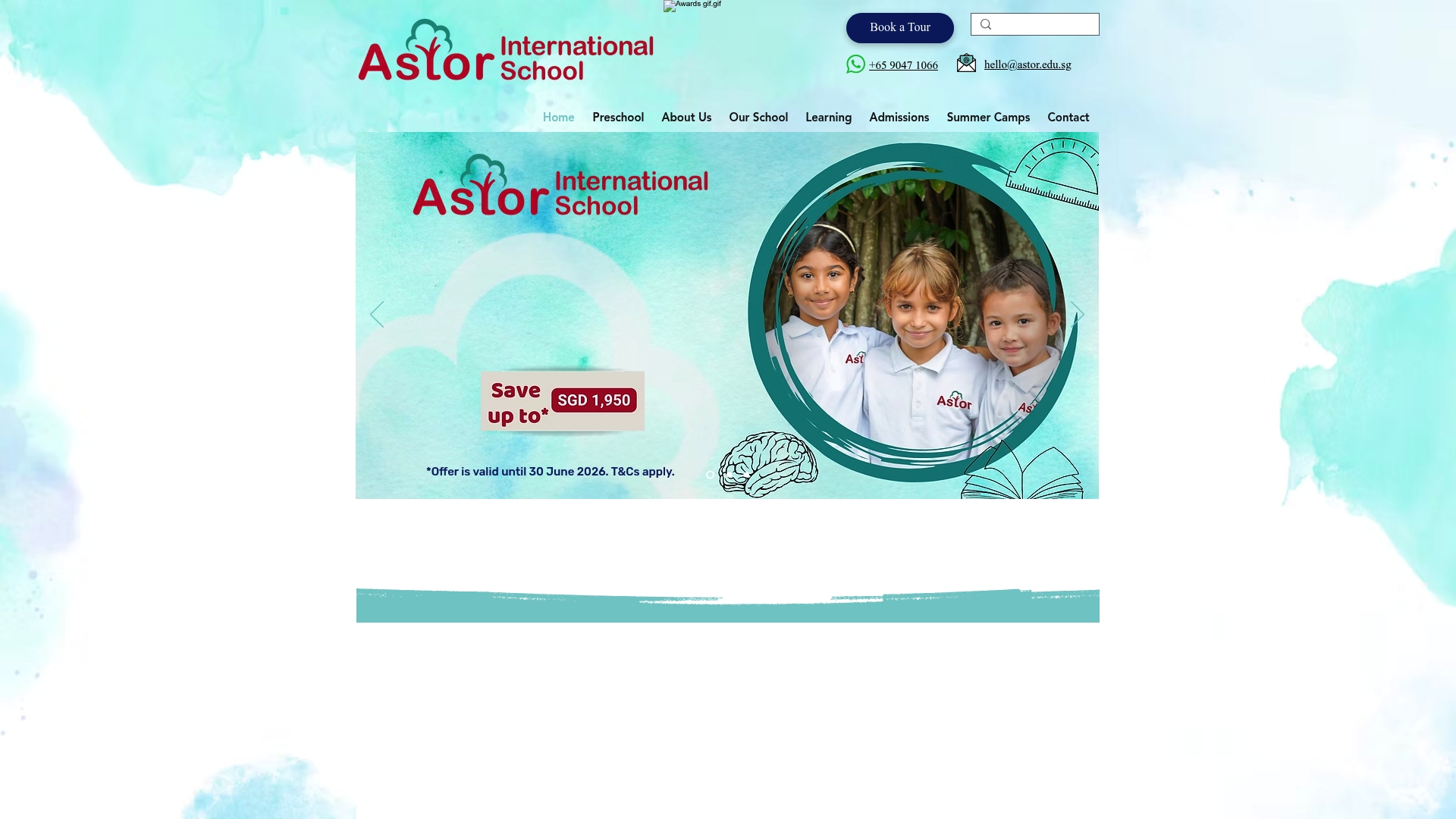
The school reports being recognized as a top small and affordable international school in Singapore in 2025, a claim that frames its pricing and class model. It serves children aged 5 to 12 with intentionally small cohorts and a focus on personalized learning.
Core Features
Small class sizes capped at 20 with an average of 15 students, which lowers student to teacher ratios and increases one on one time.
Holistic, enquiry-based curriculum centered on child-led projects and inquiry that combines IPC, British English approaches, and Singapore Math methods.
Personalized learning plans and flexible schedules that let teachers adjust pacing and language support for individual needs.
Diverse student body representing over 30 nationalities, used deliberately to support multicultural classrooms and language exposure.
The school states it is licensed to teach IPC and holds recognition through 2027, which supports placement into international secondary pathways.
Key Differentiator
Small class sizes together with the vendor’s award and affordability claims create a specific operational model: teachers run mixed academic and social programs tailored to under 20 children per class. That setup produces daily opportunities for differentiated instruction and language support without the premium fees typical of larger international schools.
Pros
Highly personalized instruction stemming from low student to teacher ratios; teachers can set individual targets and track progress weekly rather than monthly.
The multicultural roll call of more than 30 nationalities gives children real daily exposure to different languages and perspectives in class activities.
Flexible scheduling helps families who need staggered start dates or part time weeks during relocations and transition periods.
Accreditation and the reported IPC licensing provide a recognized curricular pathway compatible with many international secondary schools.
Recognized as an award-winning, affordable option in its segment according to the school, which may translate into lower total cost of ownership for expatriate families.
Cons
Limited extracurricular breadth compared with larger schools; the boutique scale means fewer varsity sports, fewer specialist clubs, and reliance on external vendors for many after school activities.
Who It’s For
Expatriate parents relocating to Singapore who prioritize small classes, multilingual exposure, and a hands-on, child-centered primary education from ages 5 to 12. It fits families who want a compact school culture and practical affordability over broad campus scale.
Unique Value Proposition
The recently integrated preschool at Holland brings two playgrounds and a deliberate mix of outdoor and classroom learning for younger children, creating daily space for motor skill development and nature-based play. That early-years setup feeds into the main school model, so children move into primary grades already accustomed to small group routines and language-rich outdoor lessons.
Real World Use Case
A family moving to Singapore enrolls a seven year old midterm. Small classes and flexible scheduling let the child join without falling behind, while language offerings and targeted support ease the switch into English medium lessons. Teachers coordinate a two week catchup plan and ongoing progress reports.
Pricing
Not applicable as a published tuition model; the school presents itself as informational only and does not list full fee schedules publicly. Prospective families should contact admissions for up to date tuition, sibling discounts, and any financial assistance options.
Website: https://astor.edu.sg
Holland International School
At a Glance
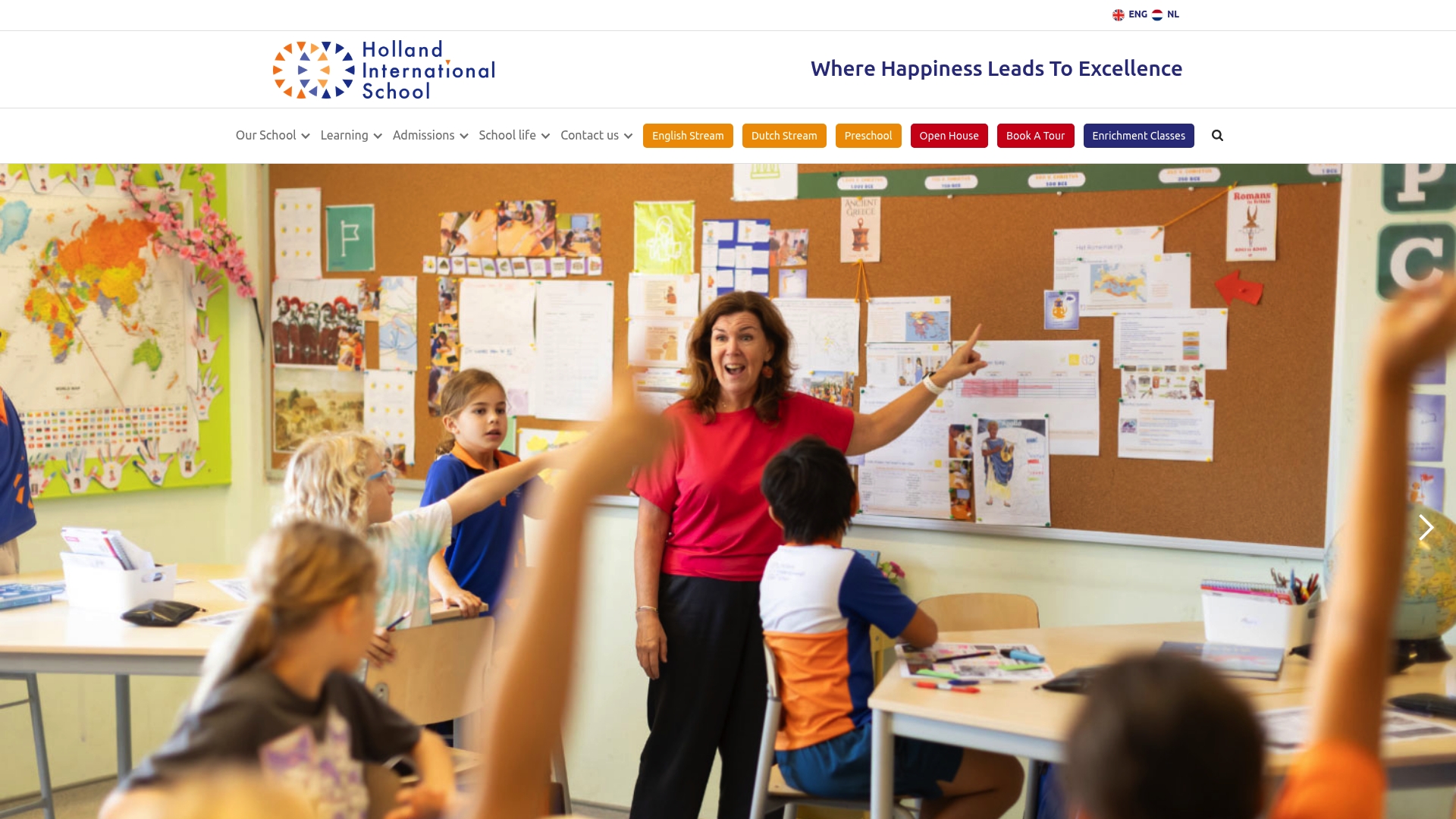
The school reports over 100 years of heritage in Singapore and Dutch education, a claim that frames its bilingual offering and pedagogy. Holland International School pairs play-based early learning with a primary program that runs to age 12 in a compact community.
Core Features
A small, community-oriented international primary with a play-focused foundation and the International Primary Curriculum at its core.
International Primary Curriculum (IPC): The curriculum backbone for thematic, inquiry-led units across grades.
Dutch and English streams: Parallel language pathways that let families choose or mix instruction as needed.
Small class sizes: Focused teacher attention and more opportunities for student ownership and collaboration.
After-school options include sports, arts, coding, and additional language clubs.
Key Differentiator
The simultaneous offering of Dutch and English streams within an IPC framework is the clearest distinction. That dual-stream model, coupled with the heritage mentioned above, makes the school attractive to families who want continuity with Dutch education while remaining fully international in outlook.
Pros
The community is described as friendly and family-like, which supports social skill development and confidence in young learners.
Bilingual pathways allow Dutch-speaking children to continue home language learning without losing access to international curricula.
Small classes deliver more individualized attention than larger international campuses typically provide.
The school emphasizes collaboration and critical thinking, giving students repeated practice in group projects and discussions.
A broad extracurricular slate lets parents combine academics with sports, arts, and early coding exposure.
Cons
There is limited independent third-party feedback available publicly, which makes external validation of satisfaction and outcomes harder to find.
Public sources do not provide detailed metrics on academic achievement or long-term student outcomes.
The available information is largely descriptive; parents seeking deep, published performance data will need to contact the school directly.
When It May Not Fit
If you require published performance metrics, league-table style results, or broad third-party reviews, this school’s publicly available information will feel thin. Families needing secondary schooling beyond age 12 should plan for a transition to another institution.
Who It’s For
Parents in Singapore searching for a bilingual Dutch-English education for ages 1.5 to 12 who prioritize a small, nurturing environment. Ideal for families relocating from Dutch-language systems who want cultural continuity plus an international curriculum.
Real World Use Case
A family relocating from the Netherlands enrolls a four-year-old in the Dutch stream for preschool, then blends into English-language IPC classes by primary level. The child benefits from small class attention and after-school sports while parents keep Dutch at home.
Pricing
Informational only: the listing does not publish fees. Prospective families should contact admissions for current tuition, subsidies, and sibling arrangements.
ISS International School
At a Glance
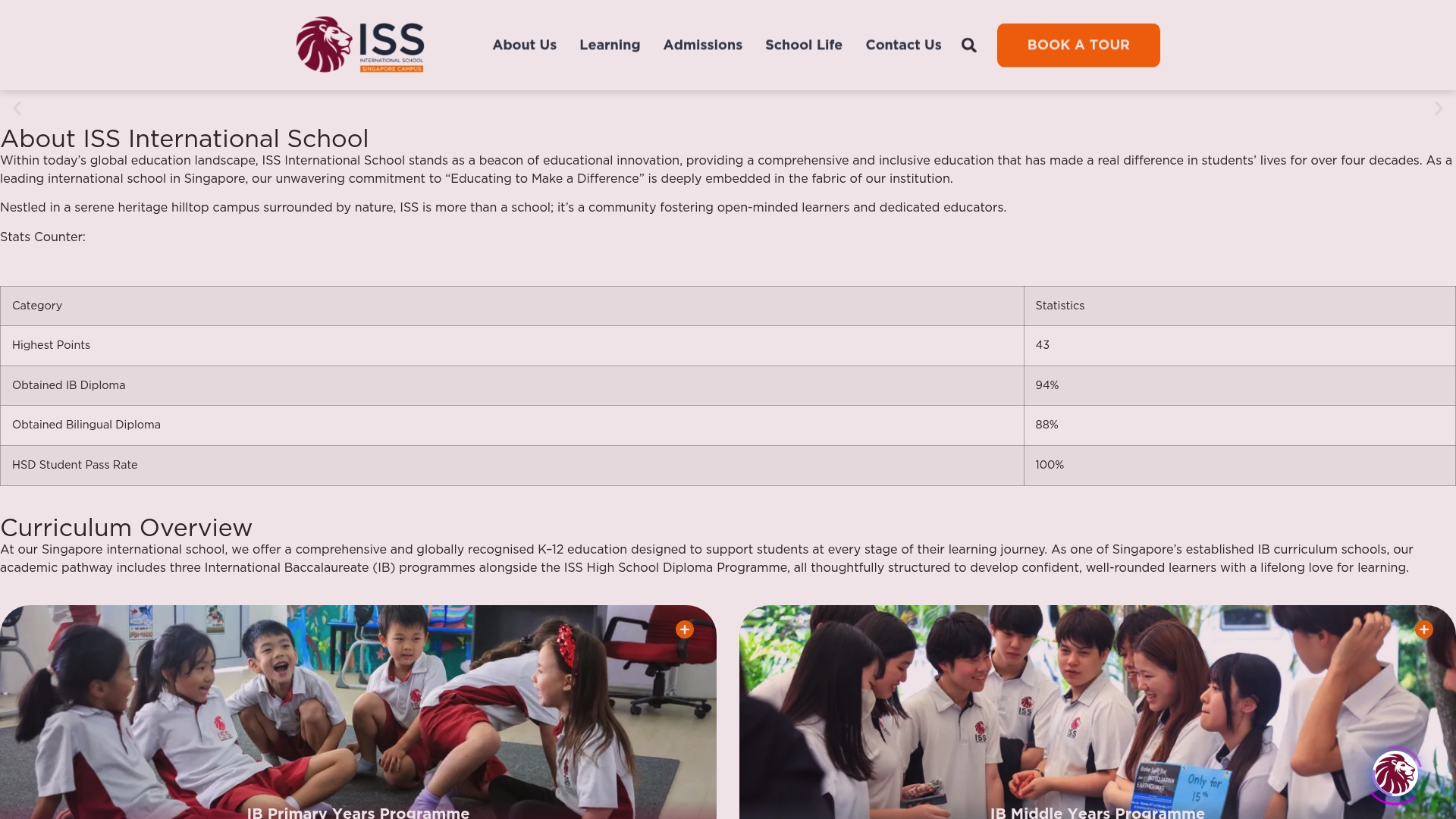
The school reports it has been serving students for over four decades, operating a heritage campus that combines nature-rich grounds with an IB-centered curriculum and a community ethos known locally as Kampong Spirit. That blend is presented as the core draw for families who want academic rigor with close community ties.
Core Features
IB Primary Years Program, Middle Years Program, and Diploma Program across K–12, plus the ISS High School Diploma for alternate pathways.
Small class sizes and targeted language support to keep teacher attention focused and help multilingual learners stay on track.
A heritage campus surrounded by gardens and outdoor learning spaces paired with structured service learning and extracurricular choices.
Key Differentiator
A heritage campus culture is stitched to school life rather than tacked on. ISS pairs its campus character with an explicit community model labeled Kampong Spirit, which frames service projects, parent engagement, and pastoral care as part of the academic offering. That cultural thread is what the school highlights when positioning itself against newer international schools.
Pros
Strong community culture that actively promotes inclusivity and belonging through regular service learning and parent events.
A global curriculum recognized worldwide with multiple IB programs that let families choose the IB pathway that fits each child.
The heritage campus gives visible advantages for outdoor and creative learning, which supports student well-being and hands-on projects.
Dedicated support for diverse learning needs and language assistance reduces friction for students arriving from different systems.
Holistic development features a mix of arts, sports, and service learning so academic growth sits alongside character and social skills.
Cons
Public, recent independent reviews are limited which makes it harder for some parents to gather third-party perspectives before applying.
A few older forum discussions recorded perceptions of lower quality; those posts are not recent and the school materials do not corroborate them.
The available information does not list clear, comparable academic outcome metrics that some families use for side-by-side selection.
When It May Not Fit
Families that rely primarily on extensive online reviews and third-party ratings for vetting will find the public record thin. Admissions transparency about outcomes is less visible than at larger international schools that publish detailed score reports and university placement lists.
Parents seeking a heavily metrics-driven admissions decision may need to request more documentation directly from the school during visits and interviews.
Who It’s For
International families and expatriates in Singapore who value a community-oriented school offering IB programs and personalized attention. It fits families prioritizing character education, outdoor campus life, and hands-on service projects alongside academic preparation.
Real World Use Case
A multinational family places three siblings at ISS so they share a campus and community activities while following their respective IB tracks. The parents use small class sizes and language support to ease transitions and rely on the school’s service programs to connect the children to local community projects.
Pricing
Not applicable — informational only. Prospective families should contact admissions for current tuition, fees, scholarships, and payment schedules.
Website: https://iss.edu.sg
Tanglin Trust School

At a Glance
The school reports a diverse international student body of over 2,850 students representing more than 55 nationalities and advertises an “Outstanding” accreditation from British Schools Overseas. That combination of scale and formal recognition underpins the school’s long heritage and academic focus.
Tanglin Trust School also offers both A-Levels and the IB Diploma in Sixth Form, letting families pick the pathway that matches university plans and study style.
Core Features
Provides the English National Curriculum adapted with an international perspective for ages 3 to 18.
Offers a dual senior pathway with A-Levels and the IB Diploma, taught on one campus for continuity.
Reports consistently strong examination outcomes and a century-plus heritage of schooling.
A large, multicultural community with co-curricular options across sports, arts, and service learning.
Key Differentiator
Tanglin Trust School pairs a century of heritage with that dual senior pathway and on-campus continuity. For parents wanting both British curriculum roots and IB access without moving schools between Years 11 and 12, that mix is the practical advantage.
Pros
Strong academic reputation backed by consistently high exam results; this reputation helps applicants when applying to selective universities.
A large international community gives students daily exposure to peers from many backgrounds, which supports global perspective and language practice.
The option to choose between A-Levels and IB lets students tailor post-16 study to subject depth or breadth.
The school holds third-party recognition and awards, and that accreditation above signals external validation of standards.
Extensive facilities and long institutional experience mean well established pastoral and extracurricular programs.
Cons
User reviews flag potential long working hours for staff; prospective employees should probe workload during interviews.
Demand outstrips places. Admissions are competitive and the school operates a waitpool system for oversubscribed year groups.
Families needing immediate placement during a mid-year move may face limited availability and should start applications early.
When It May Not Fit
If you need guaranteed immediate enrollment, Tanglin Trust School may not be suitable because of oversubscription. If your priority is a very small, boutique preschool setting, the school’s size and scale might feel too large.
If you are an educator prioritizing strict work-life balance, the staff workload reports above suggest investigating day-to-day expectations before accepting a role.
Who It’s For
Parents seeking an established, high-achieving British-international school in Singapore for children aged 3 to 18 will find Tanglin Trust School aligned with those priorities. It fits families that value academic results, external accreditation, and a broad international peer group.
Real World Use Case
A family relocating to Singapore used the school’s admissions process to enroll two children across primary and secondary years. They selected the Sixth Form pathway based on university targets, and appreciated that continuity and course choice stayed available on the same campus.
Pricing
Not applicable. The school’s published information frames this entry as informational only; families should contact the admissions office for current tuition, deposit, and fee schedules.
Website: https://tts.edu.sg
Comparing International Primary School Offerings in Singapore
Choosing the right international primary school in Singapore depends on a family’s educational priorities. While all the evaluated institutions aim to deliver quality learning experiences tailored to expatriate families, standout features differentiate their value propositions. Analyzing their unique approaches provides clarity into which may align best with individual goals.
Tailored Instruction and Class Sizes
Astor International School excels in offering small and manageable class sizes, maintaining a student-to-teacher focus that lends itself to individualized pedagogy. By capping classes at 20 students with an average enrollment of 15, the institution prioritizes tailored attention and fosters an inclusive and diversified educational environment. In contrast, the Holland International School similarly emphasizes small class sizes but integrates its Dutch-English bilingual pathways, offering language continuity not found at Astor. ISS International School, although slightly larger, benefits from its strong IB program offerings, providing transitions from primary to secondary levels within one curriculum framework. Families looking for specific language support outside the English medium may find Holland’s dual approach advantageous.
Curricular Variety and Global Recognition
While Astor emphasizes the International Primary Curriculum (IPC) with influences from British and Singaporean methodologies, Tanglin Trust School’s adaptable choice between A-Levels and IB Diplomas in later academic years positions it uniquely for students nearing their tertiary education preparation. ISS International School’s IB pathway shines for families wanting a unified and internationally recognized educational format through their children’s K–12 experience.
Best Fit by Individual Need
For families seeking affordable personalized primary education with multicultural exposure, Astor International School is perfectly suited due to its operational model.
Parents wanting bilingual education emphasizing Dutch continuity alongside the IPC curriculum should consider Holland International School.
Those valuing a strong community ethos integrated into a heritage campus with IB offerings can explore ISS International School.
Families prioritizing dual high-school pathways such as A-Levels and IB Diplomas within a richly facilitated campus may find Tanglin Trust School aligns with their long-term goals.
Our Pick: Astor International School
Astor International School rises as an exemplary primary education choice in Singapore, wherein its small class sizes encourage individualized learning dynamics. However, parents with older children seeking advanced placement options, or those with customized cultural or linguistic needs, may find alternative schools better aligned with their aspirations.
International Primary Schools Comparison
Carefully compare the core features, class models, and unique aspects of these international primary schools to find the best fit for your family.
School | Core Feature | Key Differentiator | Best For | Pricing | Limitation |
Astor International School | Small class sizes | Personalized, inquiry-based curriculum | Families needing flexible schedules ages 5–12 | Not disclosed | Limited extracurricular breadth |
Holland International School | Dutch-English language streams | Bilingual pathways in IPC framework | Dutch-speaking families seeking cultural continuity | Not disclosed | Minimal third-party validation |
ISS International School | Community-focused IB programs | Heritage campus with “Kampong Spirit” | Families prioritizing IB and service projects | Not disclosed | Limited recent independent reviews |
Tanglin Trust School | English National Curriculum | Dual senior pathways: A-Levels and IB | High-achieving families ages 3–18 | Not disclosed | Oversubscription, competitive admissions |
Discover Personalized Learning Beyond lambocars.com Alternatives
Choosing the right education provider can feel daunting, especially when seeking affordable, small-class international schooling for children aged 5 to 12. Many alternatives may lack the personalized approach and multicultural atmosphere families want. Astor International School hands you a distinctive option with award-winning small class sizes, flexible scheduling, and a rich multicultural community that offers real language exposure and tailored support.
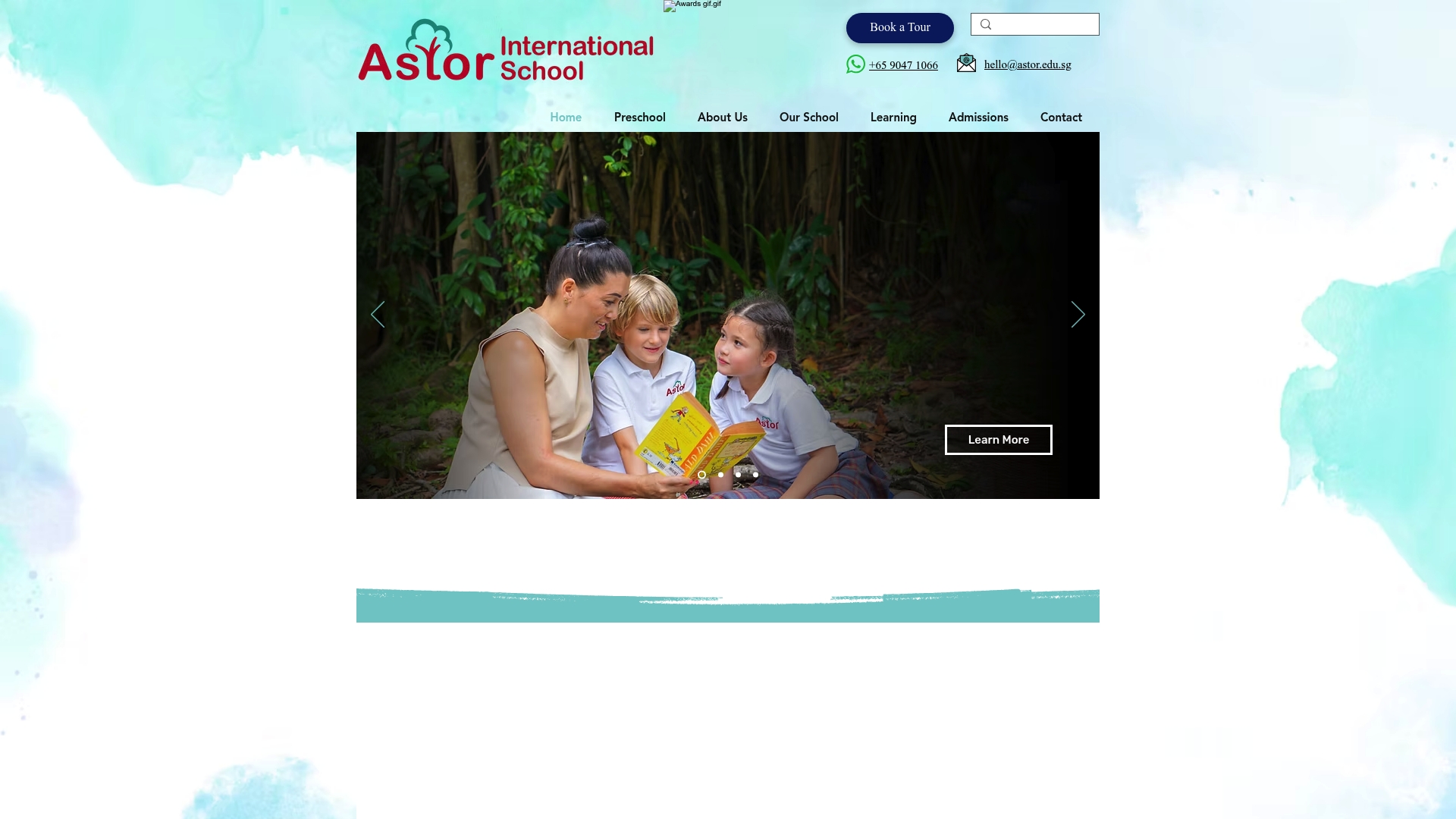
Explore how Astor’s combined preschool and primary campuses in Holland and Tanglin deliver child-centered, inquiry-based learning crafted for your child’s success. Don’t let overwhelming choices slow you down. Visit Astor Education Network now and connect with admissions to discuss how we can help your child thrive in a supportive environment uniquely suited for international families.
Frequently Asked Questions
What makes Edu a great choice for personalized learning?
Edu offers highly personalized instruction with small class sizes capped at 20 students, allowing for low student-to-teacher ratios. This setup enables teachers to set individual targets and track student progress weekly. Families can expect tailored educational strategies that meet their child’s specific needs, making it an excellent fit for parents seeking individualized attention.
How does Edu compare to Holland International School’s bilingual program?
Holland International School provides a bilingual Dutch-English education which is beneficial for families wanting continuity with Dutch systems and an international curriculum. Edu, while offering a holistic, inquiry-based curriculum, excels in its emphasis on personalized learning and smaller class sizes, making it suitable for expatriate families prioritizing small cohort learning over bilingual pathways.
What unique feature does Edu have for enhancing multicultural exposure?
Edu has a diverse student body representing over 30 nationalities, which enriches the multicultural classroom experience. This approach allows children to gain daily exposure to different languages and perspectives, fostering global awareness and cultural sensitivity. Families can expect a vibrant learning environment that promotes inclusivity and diversity.
Are there any limitations in the extracurricular offerings at Edu?
While Edu focuses on personalized learning, its smaller scale may limit the breadth of extracurricular activities available compared to larger schools. Families should anticipate fewer varsity sports and specialist clubs, relying on external vendors for many after-school options. This is important to consider if a wide range of extracurricular activities is a priority.
How does Edu support families needing flexible schedules?
Edu provides flexible scheduling options that accommodate families who require staggered start dates or part-time weeks, especially during transitions. This flexibility helps parents manage their children’s education during relocation periods, ensuring that students can adjust without falling behind. Families can expect support during key transitional moments.
Recommended
Nice knowledge gaining article. This post is really the best on this valuable topic. Zwembad aanleggen in de tuin
Thanks for sharing this information. I really like your blog post very much. You have really shared a informative and interesting blog post with people.. Zwembad tuin kostprijs
Wow! Such an amazing and helpful post this is. I really really love it. It's so good and so awesome. I am just amazed. I hope that you continue to do your work like this in the future also. Inbouwzwembad
this blog was really great, never seen a great blog like this before. i think im gonna share this to my friends.. Inbouwzwembad
I just got to this amazing site not long ago. I was actually captured with the piece of resources you have got here. Big thumbs up for making such wonderful blog page! Polypropyleen zwembad